How to Read a Deck Proposal — Questions to Ask Before You Sign
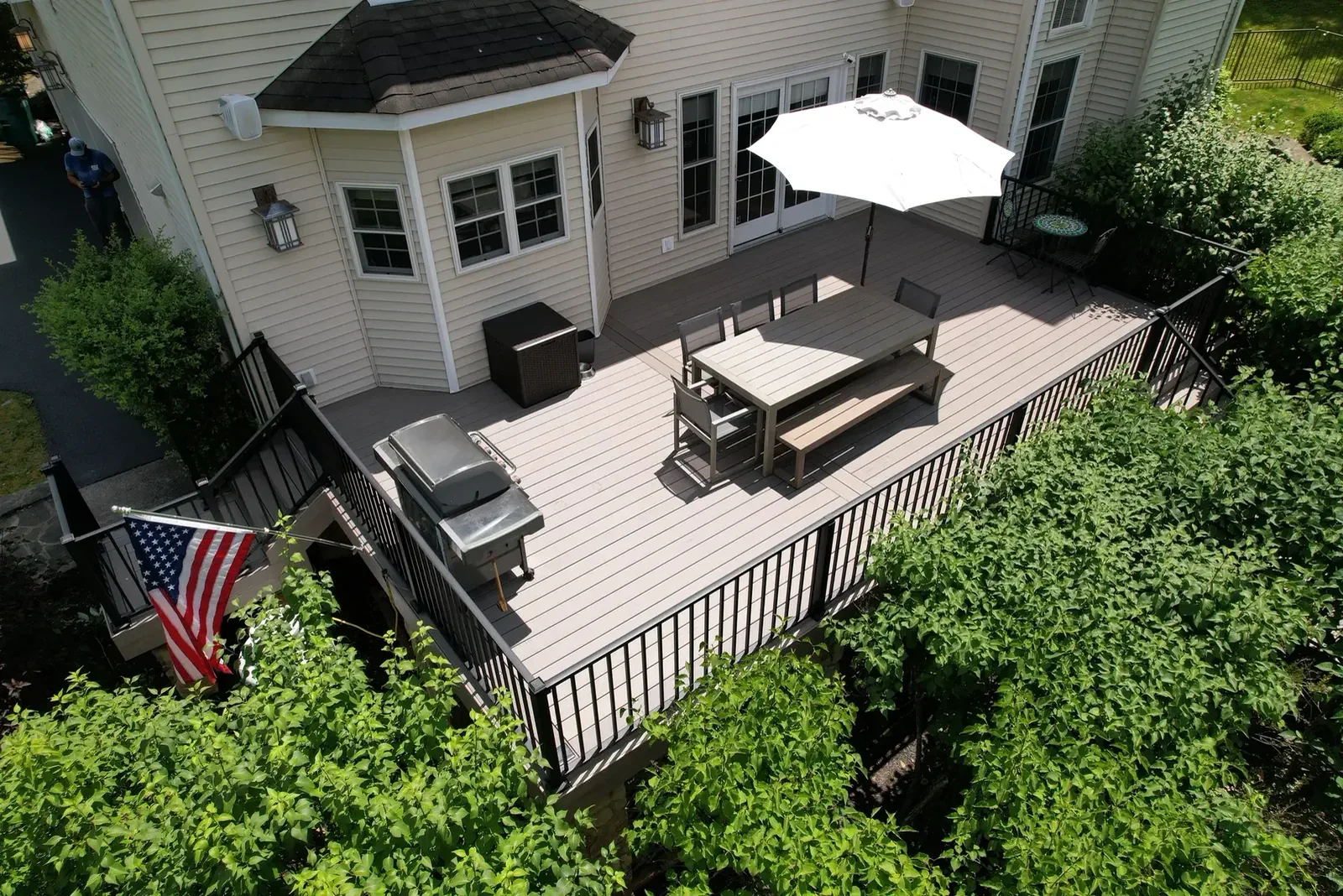
A deck proposal is a sales document. It is built to make a contractor look good and to make you say yes. The problem is that the things which cost you the most money are usually the things the proposal does not mention. We have seen the cleanup jobs. We have rebuilt decks that should have lasted decades. So here is how to read a proposal like someone who knows where the bodies are buried.
Vague language is a choice, not an accident
When a proposal says "build a deck approximately 16x20" and lists a price, that is not a scope. That is a starting number. The word "approximately" is doing a lot of work. So is "as needed," "or equal," and "to be determined on site." Every vague phrase is a door the contractor can walk through later to charge you more or do less.
A real proposal tells you the exact dimensions, the exact board, the exact railing, the exact footing type, and the exact number of footings. If you cannot tell from the page what you are getting, you are not getting a price. You are getting a guess with a dollar sign on it.
The foundation question
This is the one that costs the most and gets the least ink. Ask what the deck sits on. Concrete footings? How deep? Helical piles? How many?
In the Hudson Valley, the ground freezes and thaws every winter, and a foundation that is not done right will heave and take the whole deck with it. If the proposal does not name the foundation type and depth, that is a red flag. A contractor who is vague about the foundation is vague about the most expensive thing to fix.
The permit question
Ask straight out: who pulls the permit, and is it in this price?
Some proposals leave permits off entirely so the number looks lower than the contractor next door. Then the permit becomes your problem, or worse, the deck gets built without one and you find out when you try to sell the house. An un-permitted deck can stall a closing or force a teardown.
In our builds, permits are included. We pull them, we handle the inspections, and it is part of the price, not a separate line you get hit with later. When you compare proposals, make sure you are comparing permitted work to permitted work. Otherwise the cheaper one might just be the one cutting the corner.
The engineering question
Ask whether the deck is engineered, and whether that cost is included.
Elevated decks, multi-level decks, and anything carrying real load should be engineered, meaning a professional signs off on the structure. Some contractors price engineering as an add-on. Some skip it and hope the inspector does not ask. Neither is what you want.
In our work, engineering is included. It is part of how we build, not a surprise charge. When you read someone else's proposal and you do not see engineering anywhere, ask why. The answer tells you a lot.
The warranty question
There are usually two warranties on a deck. The manufacturer warranty on the boards and railing, and the labor warranty from the contractor on the work itself. A good proposal names both.
Ask what the labor warranty covers and for how long. Ask whether the manufacturer warranty is even active, because some warranties only kick in when the decking and railing are from the same line and installed to spec. A board warranty means nothing if the install voided it. We will write about that in detail elsewhere, but for now, if the proposal is silent on warranty, treat that as a no.
Comparing two proposals that look the same
Here is the trap. Two proposals, similar size, similar price. They look like the same job. They are almost never the same job.
Line them up side by side and check the things that do not show up in the photo. Foundation type and count. Permit included or not. Engineering included or not. The actual board line, not just "composite." Fasteners. The labor warranty length. Whether they document the build with photos. Cleanup and dump fees. One of those two proposals is usually cheaper because it left something out, and the thing it left out is the thing you will pay for later.
We install the full Trex line, Signature and the entire Trex Transcend Lineage collection, and the right board depends on your site and your budget. A proposal that just says "Trex" without naming the line and color is not finished. Push for the specifics. The specifics are the whole deal.
A proposal is the first honest test of a contractor. The good ones answer these questions before you ask. The ones who get squirmy when you ask are telling you exactly what working with them will feel like.
Call (845) 985-1000 or request a free deck estimate at pinnacledecking.com.
Related reading
- Deposits, Draws, and Payment Schedules: How Not to Get Burned on a Deck Contract
- The Deck You Never See: Why the Frame Decides How Long the Deck Lives
- Why Deck Contractors Ghost You — and What Serious Communication Looks Like
Frequently asked
Why are some deck proposals so much cheaper than others?
Usually because something is missing. The cheap proposal often leaves out the permit, the engineering, a proper foundation, or real cleanup. Line the proposals up item by item and the gap usually explains itself.
Should permits and engineering be a separate line item?
Not in our work. We include both in the build. If another contractor lists them as add-ons, at least make sure they are in the price somewhere, because skipping them creates problems when you sell or when the deck carries load it was never designed for.
What does "approximately" mean in a proposal?
It means the number is not locked. Vague words give the contractor room to change the scope or the price later. A solid proposal states exact dimensions, materials, and counts so you know precisely what you are buying.
How do I compare two proposals that look identical?
Ignore the headline price and compare the hidden parts: foundation type and count, permits, engineering, the exact board line, fasteners, warranty length, and photo documentation. The difference is almost always in those details, not in the total.