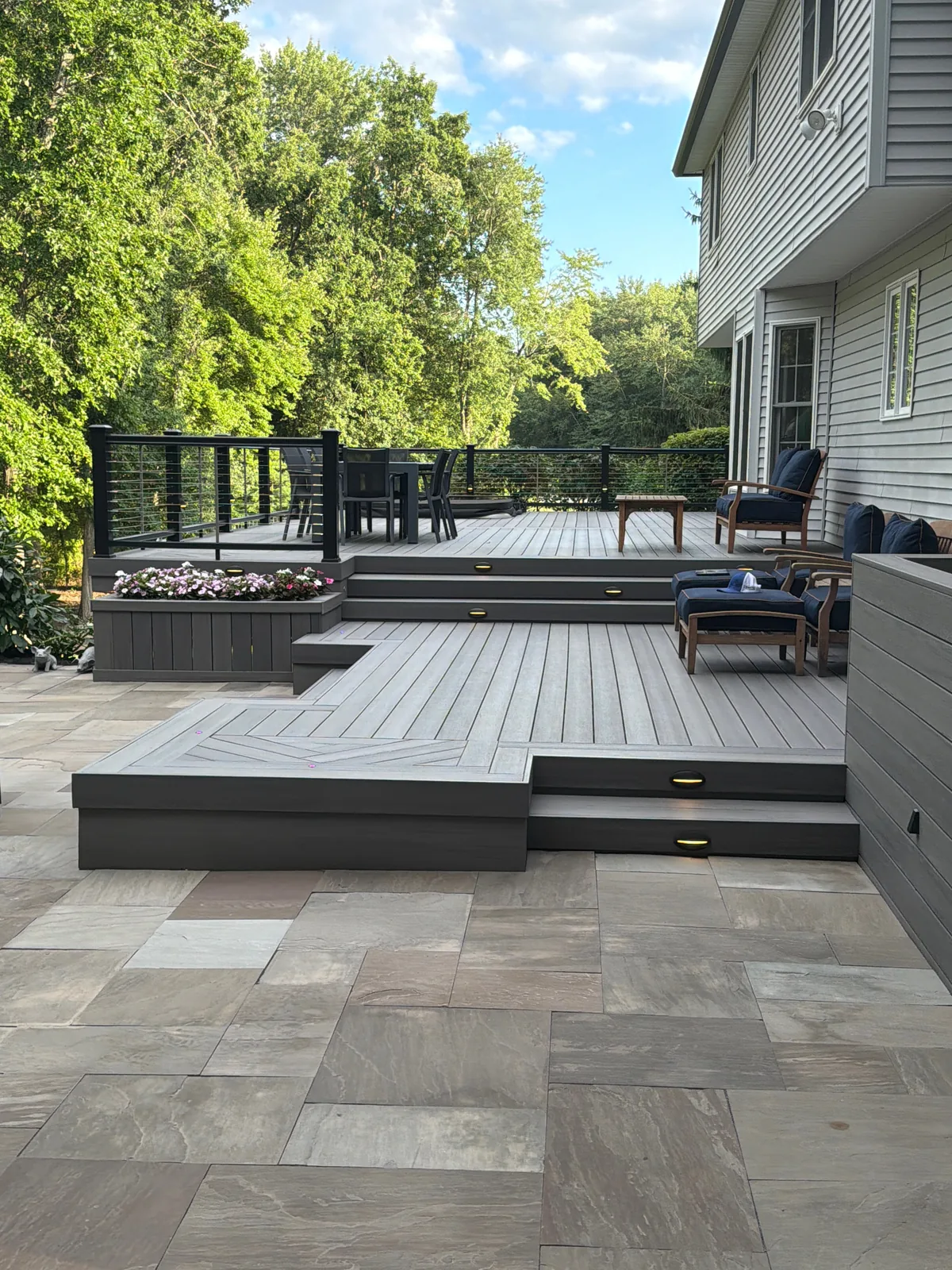
Black Railing Disappears Into the View
Most homeowners assume white railing matches a house with white trim. Then they stand on the deck. White railing stands out; black railing gets out of the way — and the view stays in front.
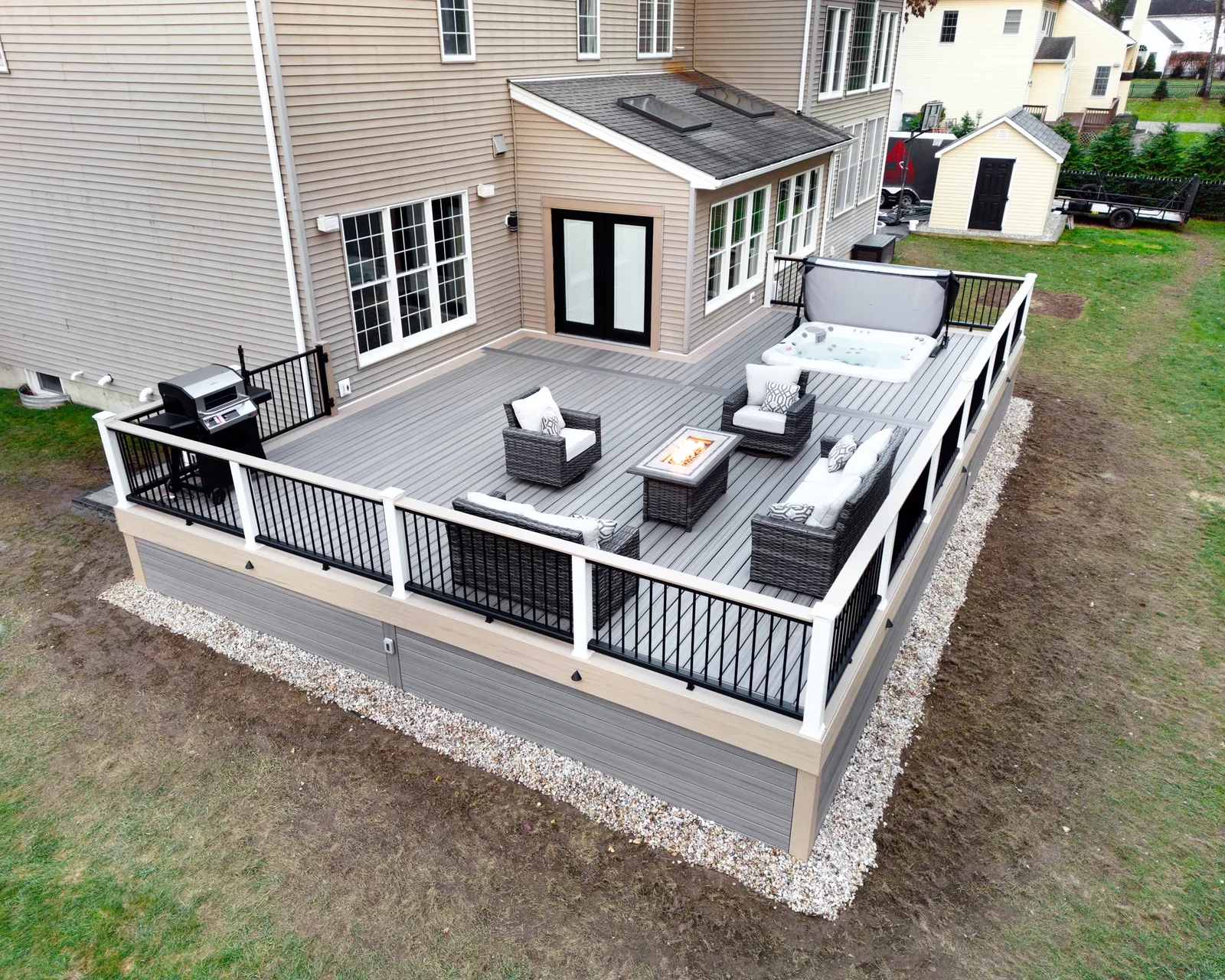
"Building a Deck in Winter: What Actually Stops Work, and What Doesn't"
Most homeowners assume a fall call means a spring build. Frozen ground does not stop a deck — here is what winter actually changes about foundations, board spacing, and scheduling in the Hudson Valley.
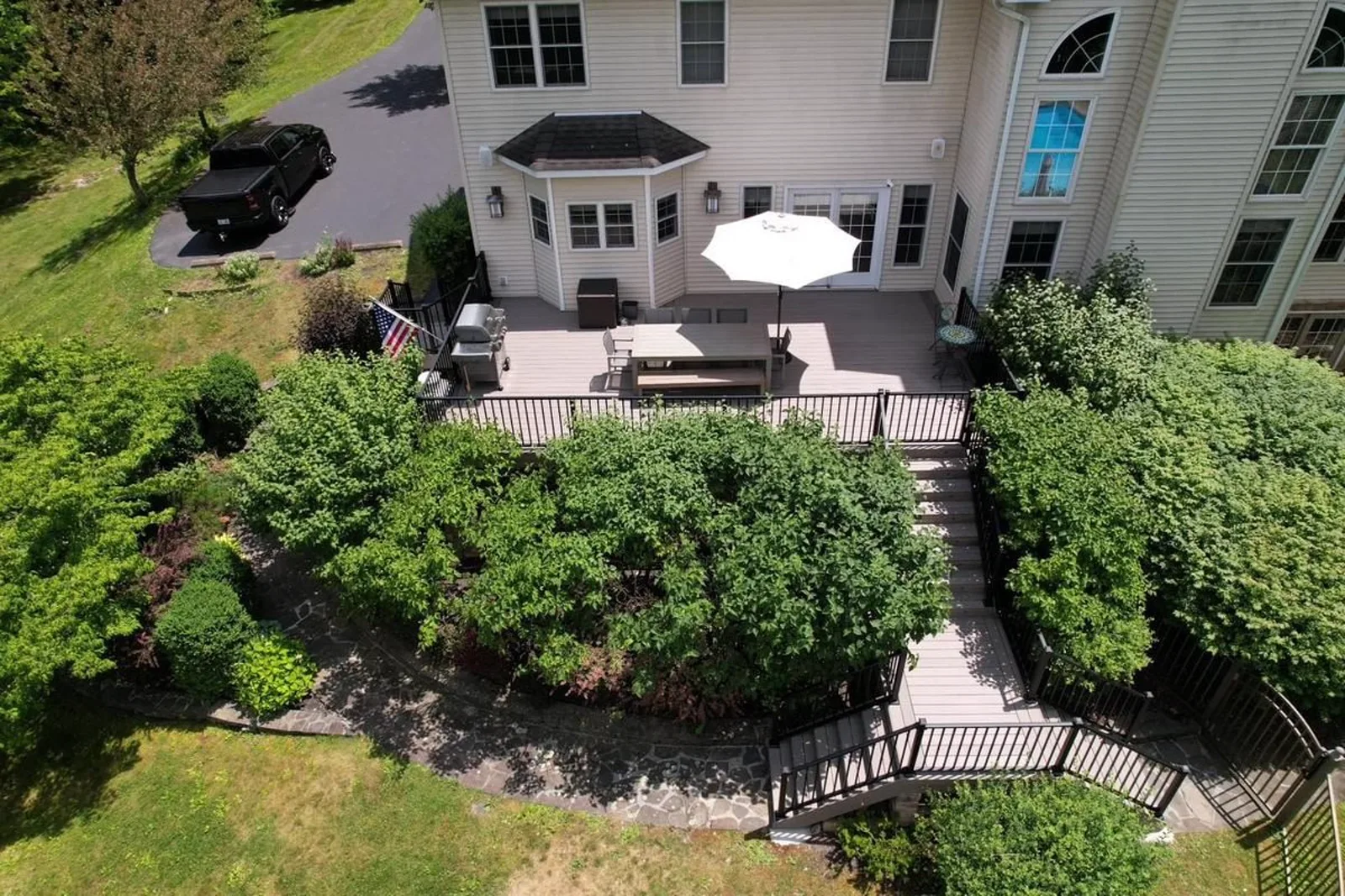
"Chef Road: When a Deck Became an Outdoor Living Project"
A Hudson Valley decking company had priced it like a deck. It was not a deck anymore. What that takeover taught us about the space under a deck — and about honest scope.
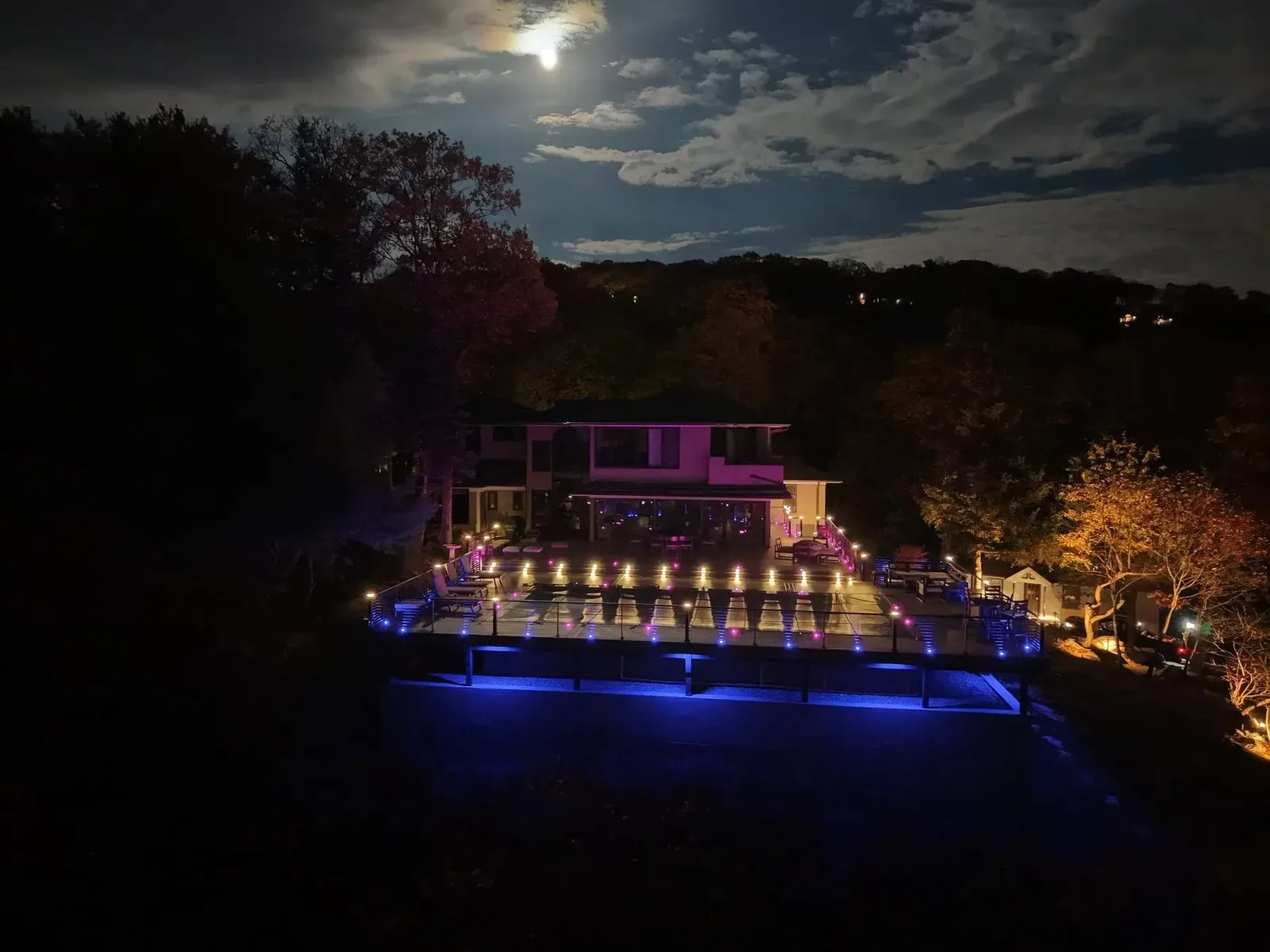
Fading Is Not the Whole Problem. Patchy Aging Is.
Every deck outside changes. That is weather, not a defect. The problem is when a deck changes unevenly — and uneven aging is almost always an install and drainage story, not a board story.
Why We Moved Away From DrySpace in New York
Three installs, one winter, the same failure. Our New York field experience with under-deck drainage — and why managing water above the joists changed what the space below could become.
The Replacement Board Problem Nobody Talks About
A deck can age evenly for years and still look patched the day one board gets replaced. Why that happens, what it means for repairability, and how the install decides whether you ever face it.
Trex Signature vs Trex Lineage: The Five-Hour Sun Rule
Signature is the premium look board. Lineage is the comfort conversation when a deck sits in real sun. Our rule is simple — five-plus hours of direct sun and the recommendation changes.
The Install Is the Product
Everybody thinks they can build a deck, because the finished product is easy to understand. The board matters — but the install decides whether the board ever gets a fair chance.
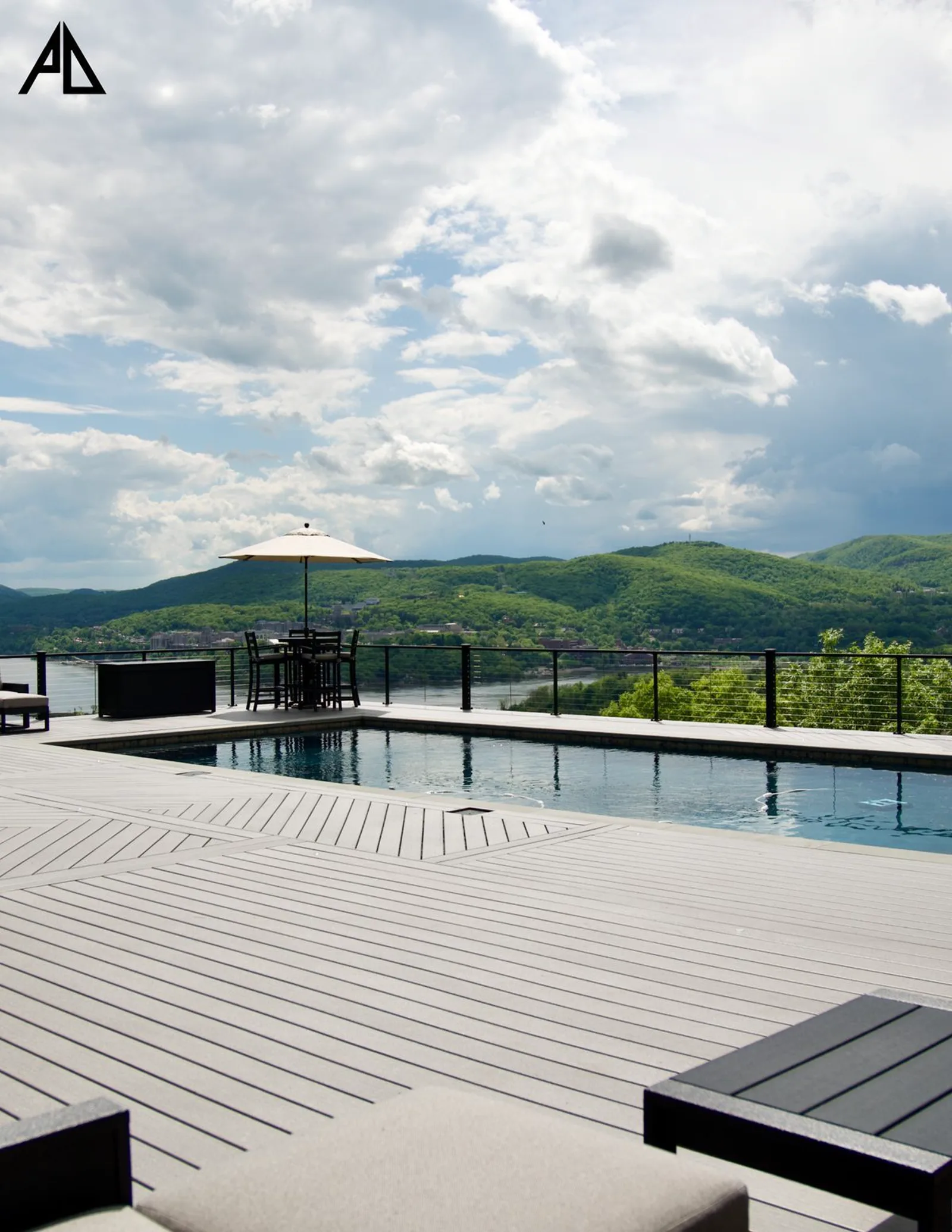
The Pinnacle Standard
The standard is not one board. It is the way the whole project gets decided — sun, grade, view, water, framing, railing, lighting, warranty, and the way you actually live outside.
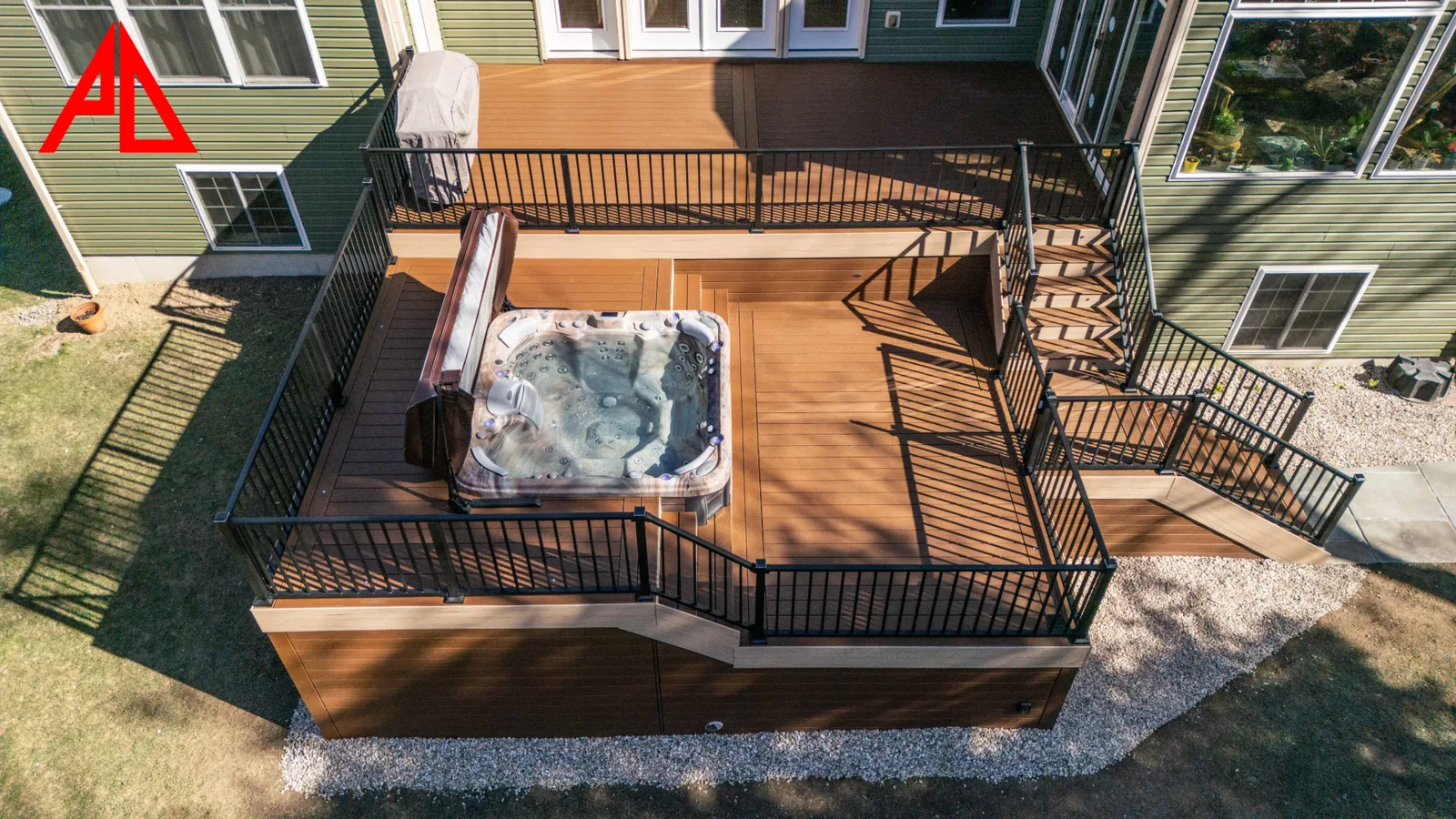
Skip the $18 Beers — Game Day Luxury in Your Own Backyard
Stadium day costs you traffic, lines, parking, and the drive home. A game-day deck — screen wall, fire, grill line, spa — is the private suite you own. What it takes to build one.
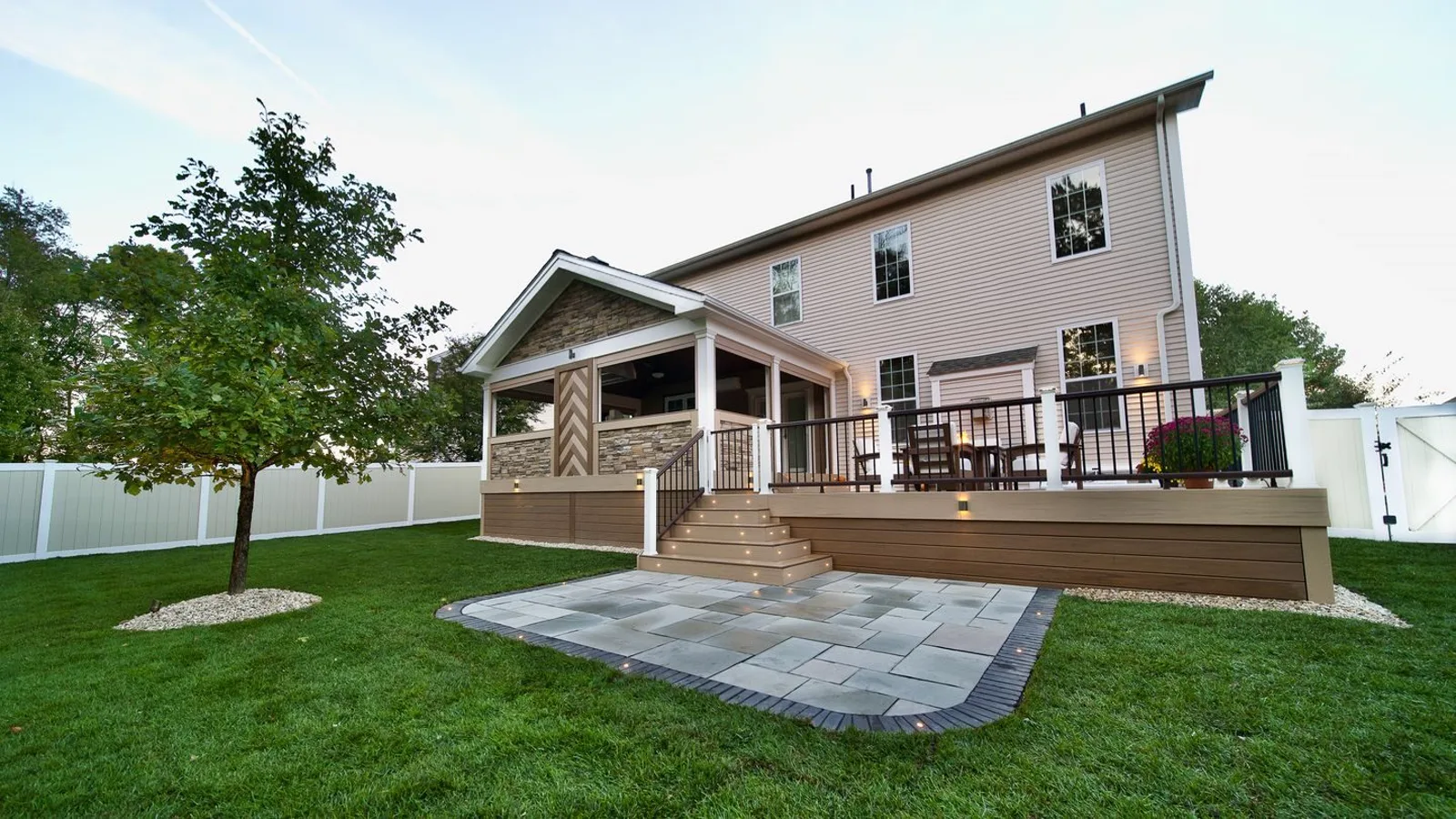
Building a Deck Near a Septic System: Gather These Documents First
The as-built septic map, property survey, offset rules, reserve-area limits, and service records a deck designer needs before building near a septic tank or leach field.
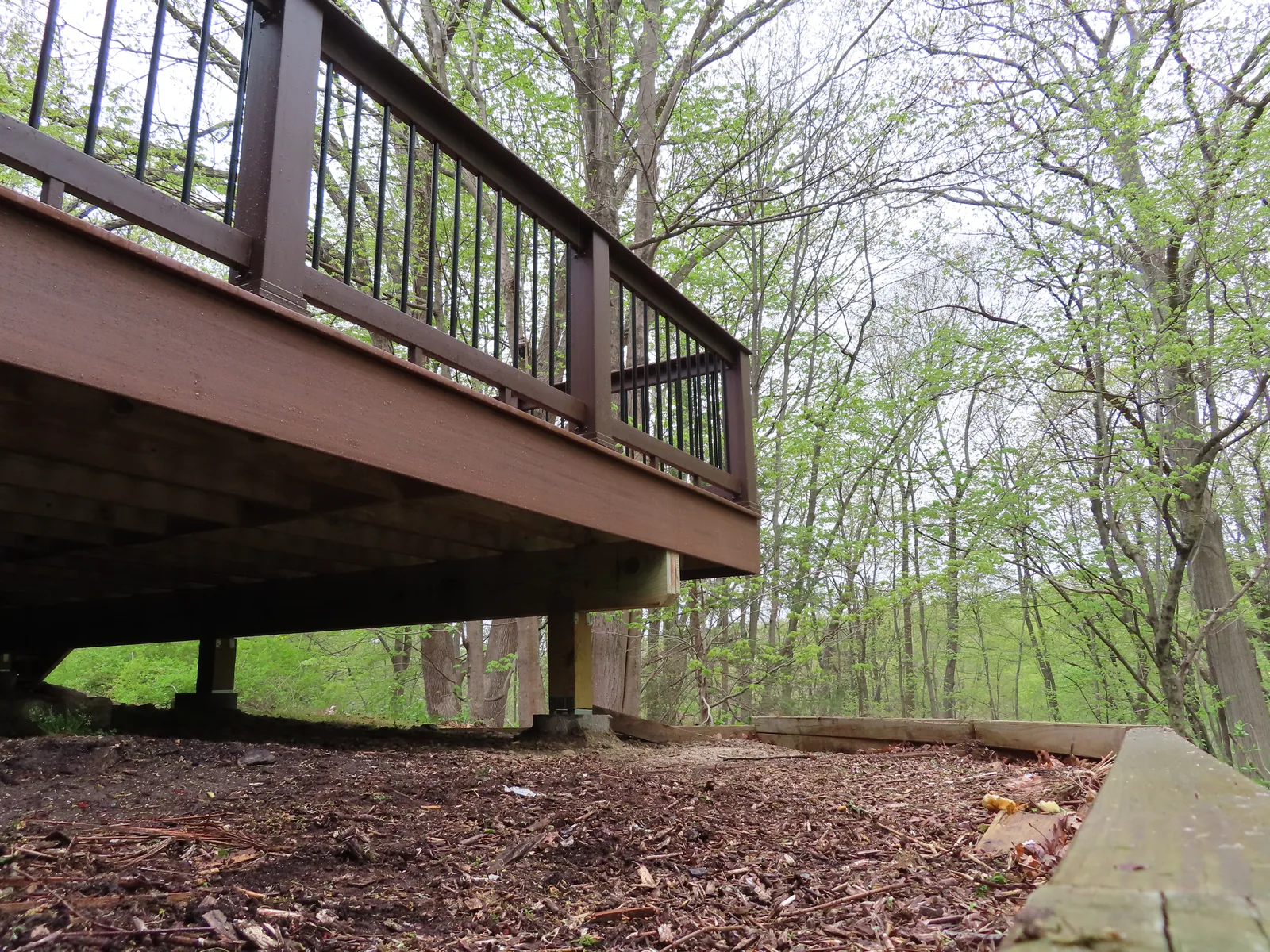
Building a Deck Over a Septic Tank: The Bridge Footing That Makes It Possible
How an engineered bridge footing lets a deck span a septic tank: helical piles outside the failure zone, clear-span beams, zero load on the tank, and service access preserved.
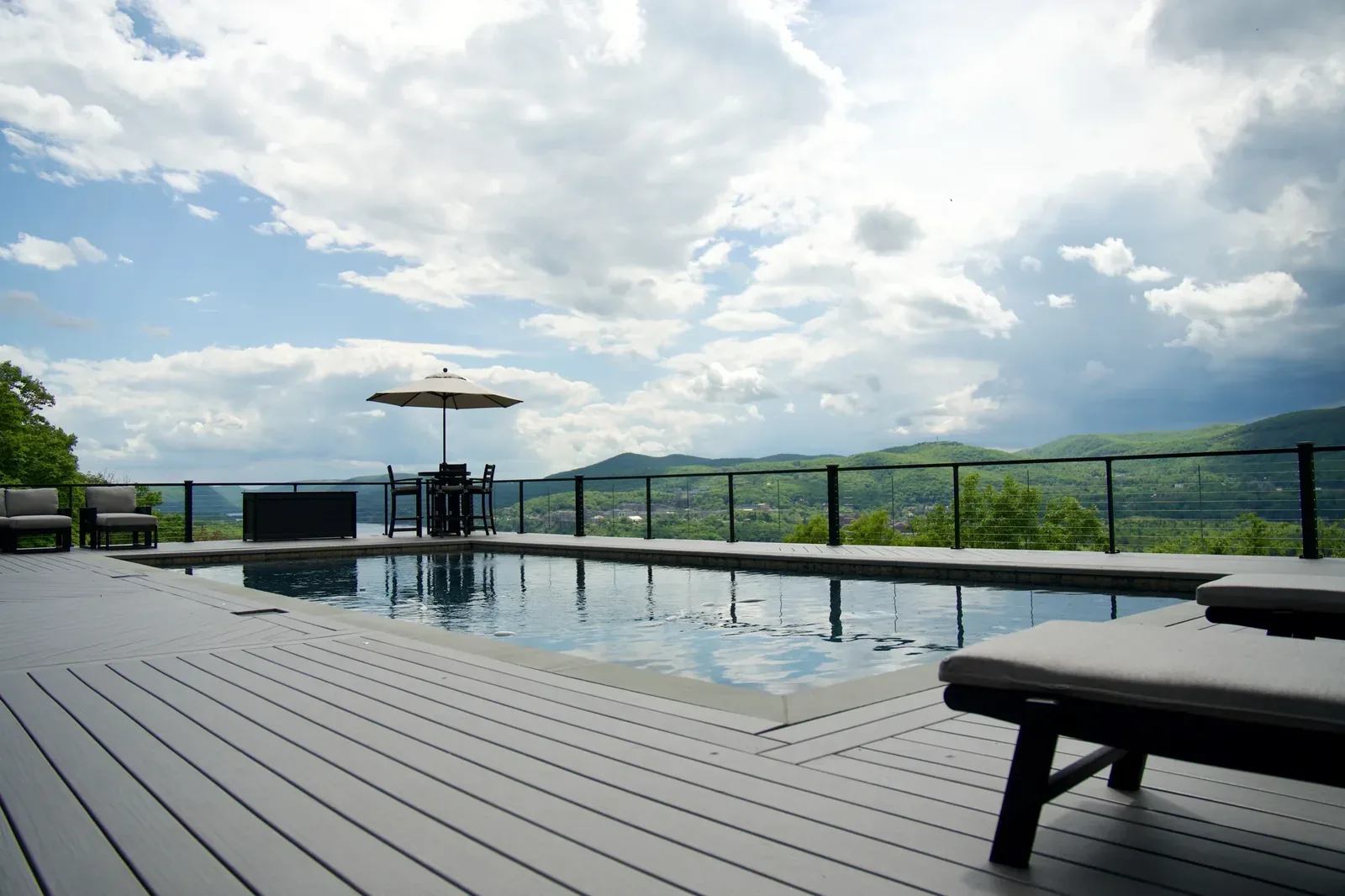
Why Cable Railing Goes Loose: The Frame Matters More Than Another Turn of the Tensioner
Cable railing is a tensioned structural system. When cables keep going slack, the cause is usually flexing posts, weak blocking, or a moving rim — not stretched cable. What retensioning cannot fix.
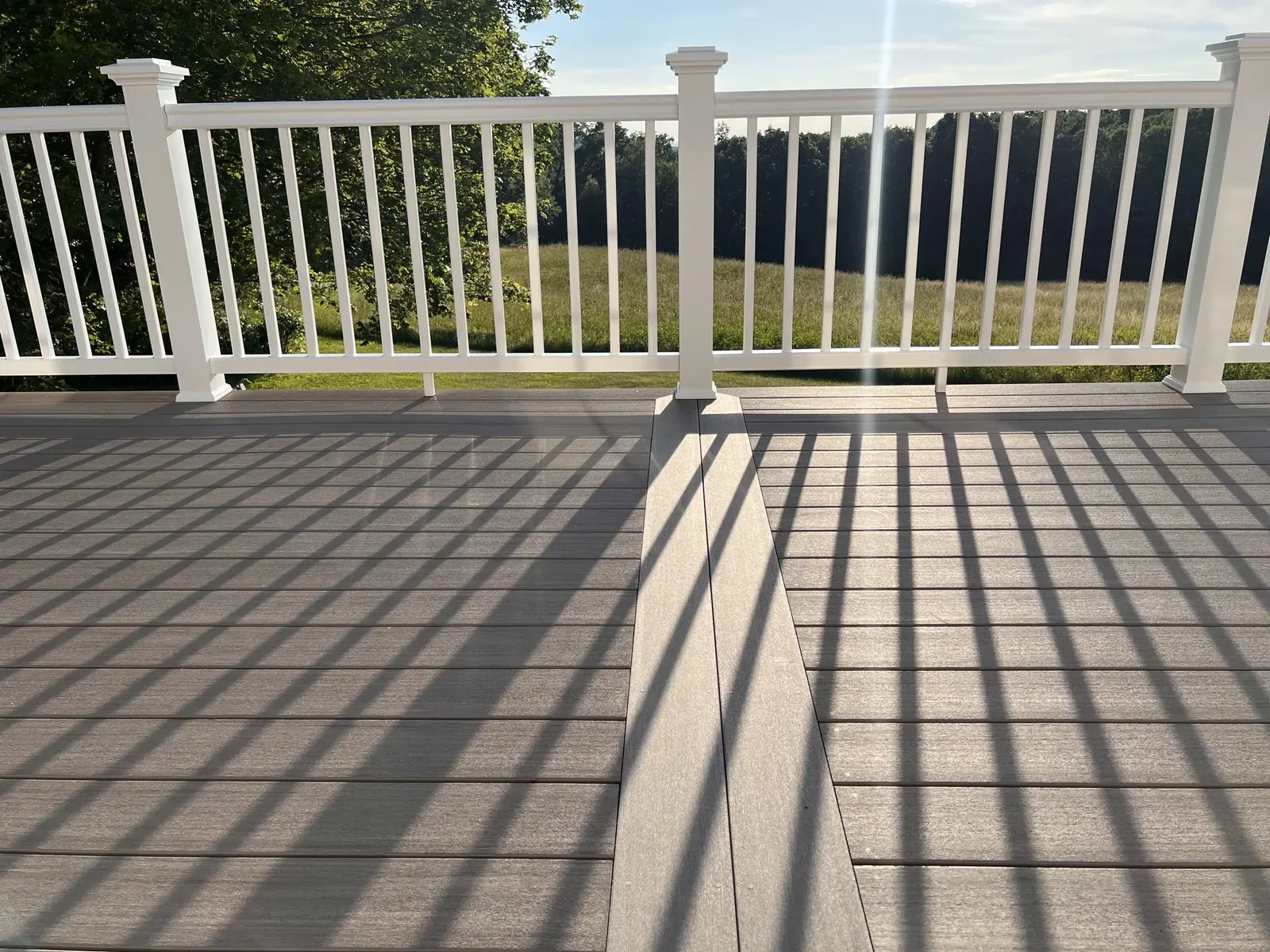
Why Composite Deck Boards Move — and What Prevents Gaps, Buckling, and Crooked Seams
Composite boards expand and contract with temperature. Gaps, buckling, and crooked seams are not board failures — they are framing, fastening, and layout failures. What controls movement.
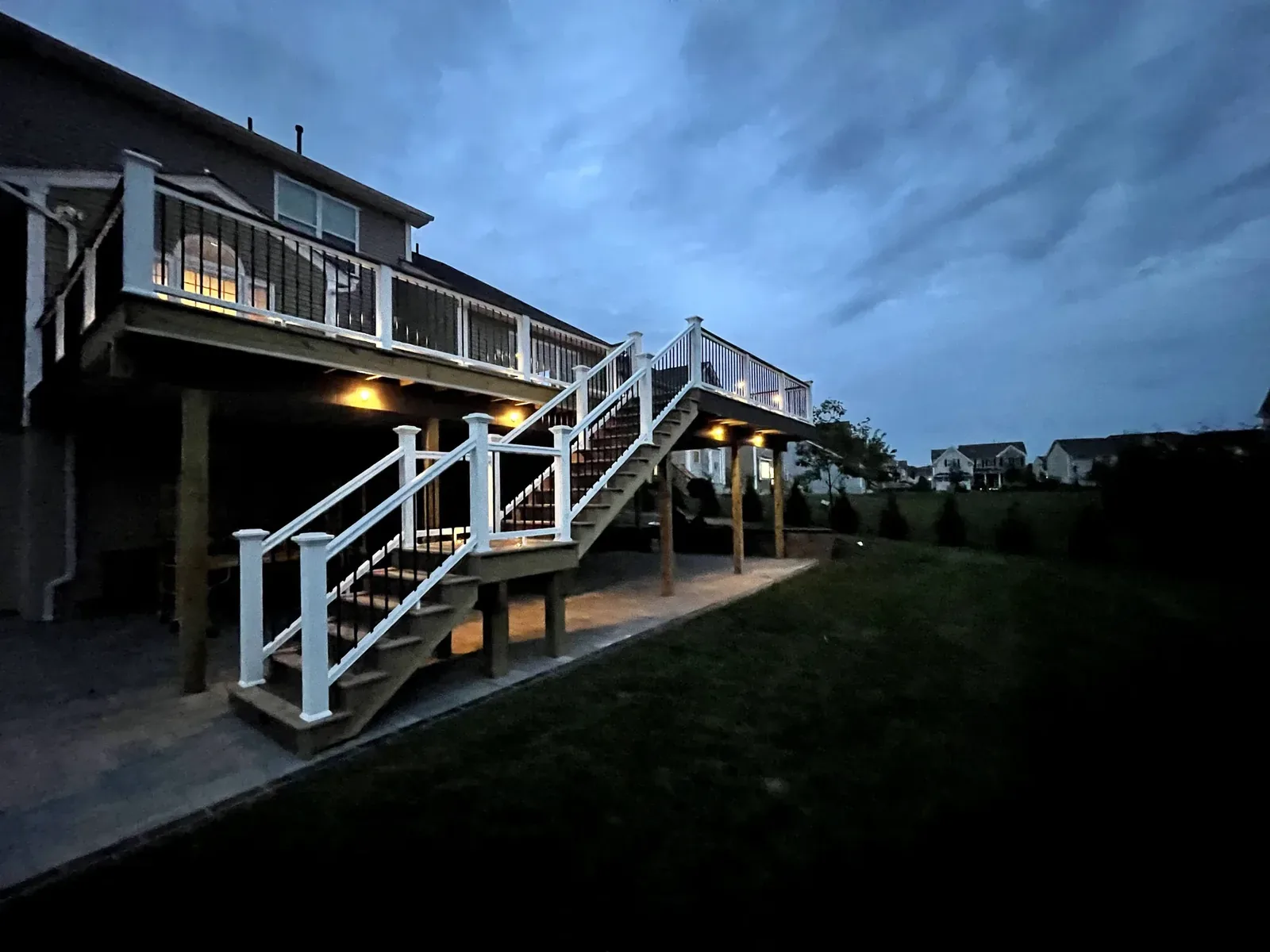
Why Deck Fascia Pulls Away, Waves, or Splits — and Why More Screws Usually Make It Worse
Wavy, split, or loose deck fascia is rarely a bad board. It is restricted movement, wrong fastening, wet framing, or trapped heat. Why adding screws backfires, and what a correct fascia detail looks like.
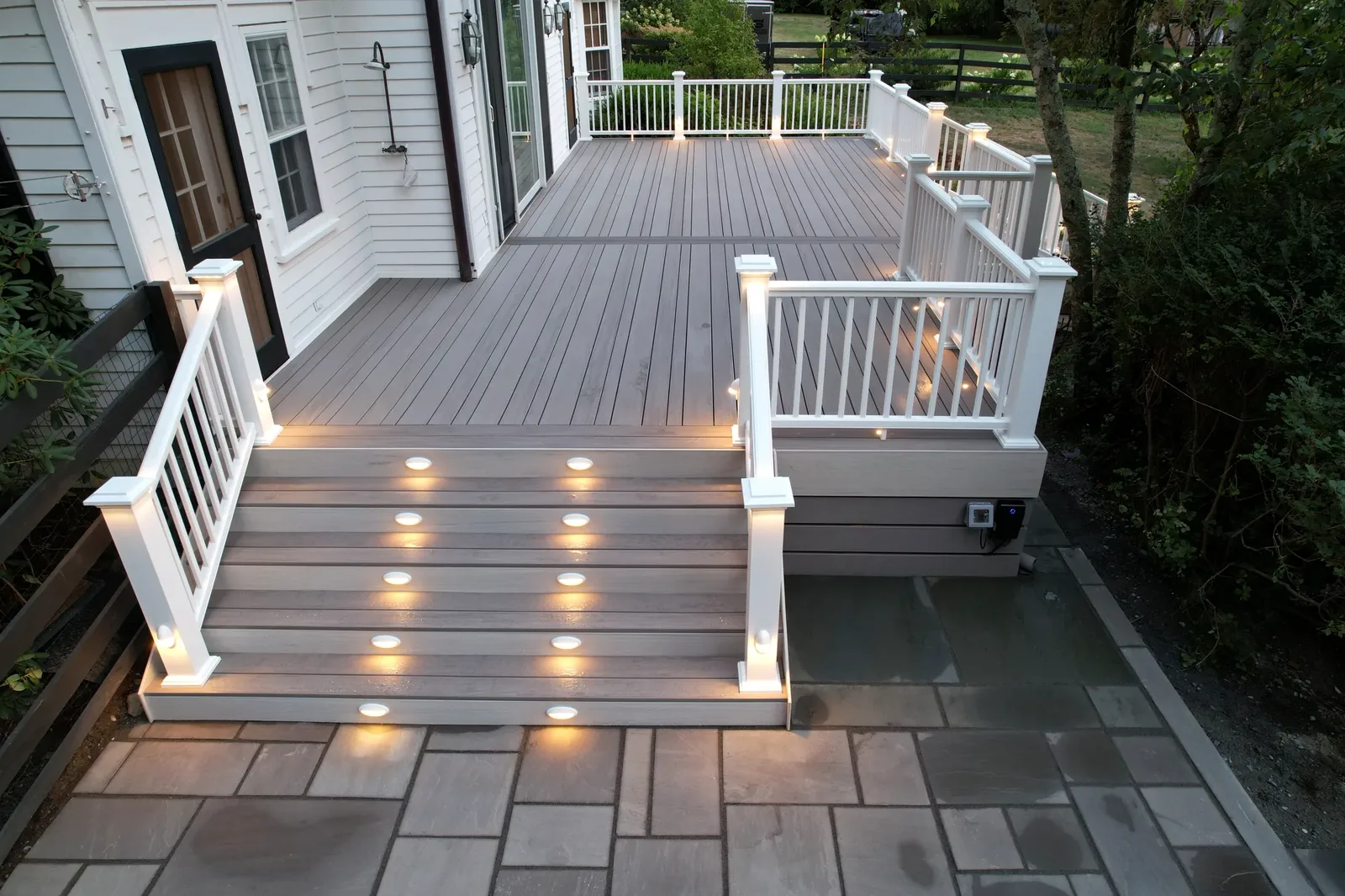
Why Deck Lighting Fails After the Boards Go Down
Most deck lighting problems are planning failures baked in before the first fixture arrives: undersized systems, buried connections, no zones, no service map. What a lighting plan decides before the decking closes.
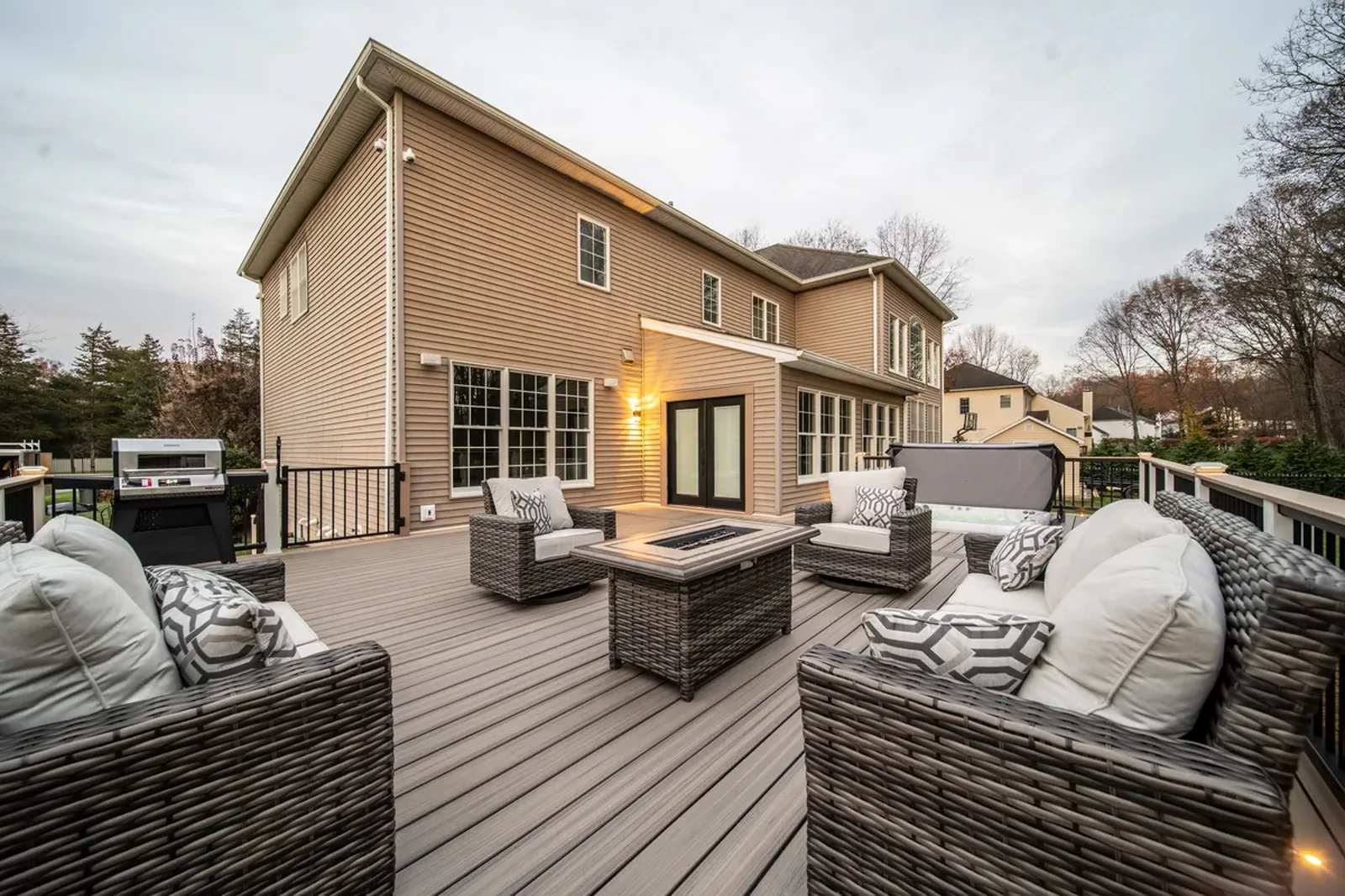
From First Call to First Pile: What Actually Happens Before We Build Your Deck
Design, engineering, permits, materials, then the build. The real sequence of a Hudson Valley deck project, what each stage is for, and where the calendar actually goes.
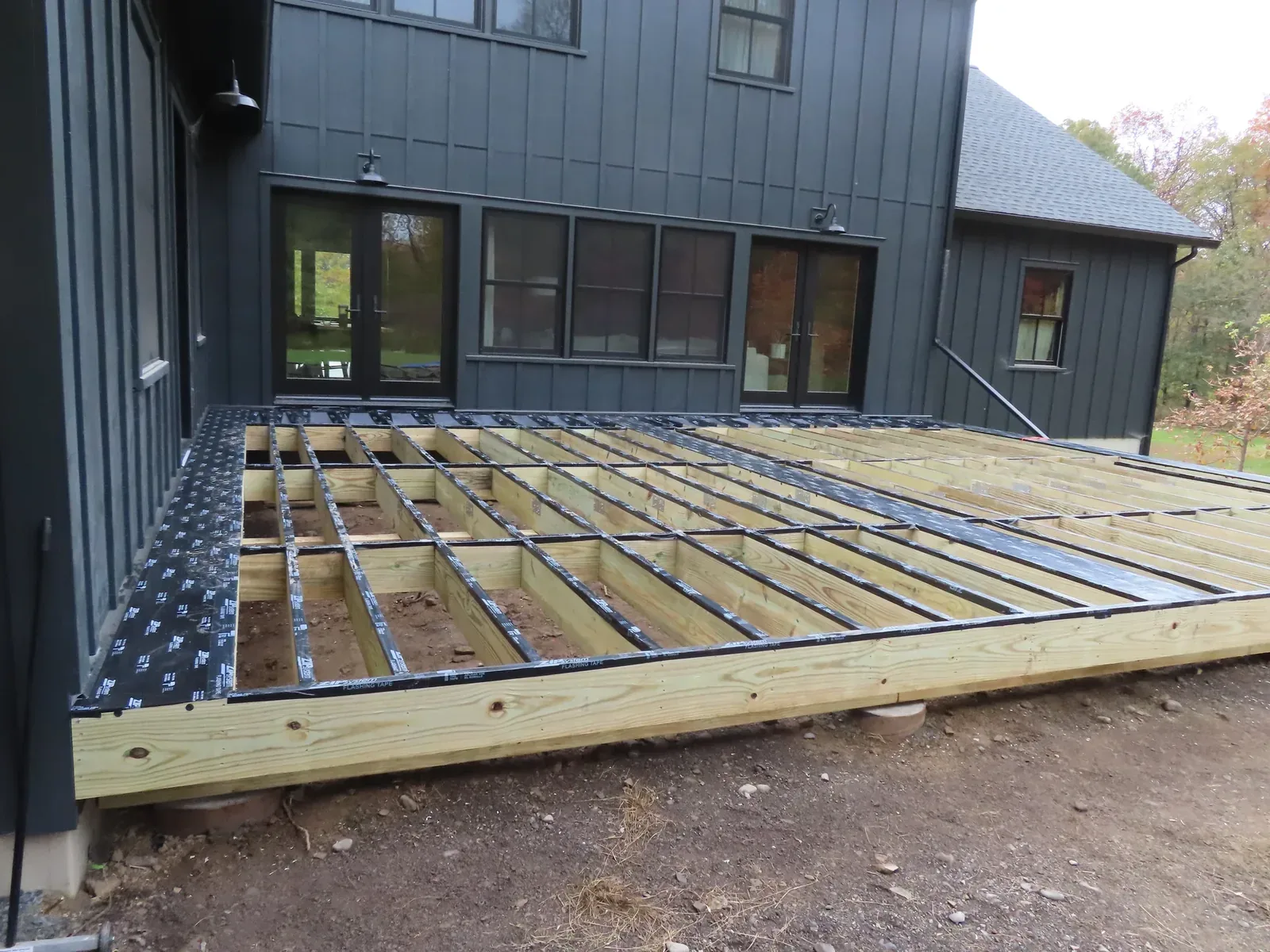
The Hidden Water Path That Rots a Deck Frame Under a Perfect Composite Surface
A composite deck can look flawless while water quietly works on the ledger, joist tops, and beam pockets underneath. Where the water actually travels, the warning signs, and when resurfacing should stop for an inspection.
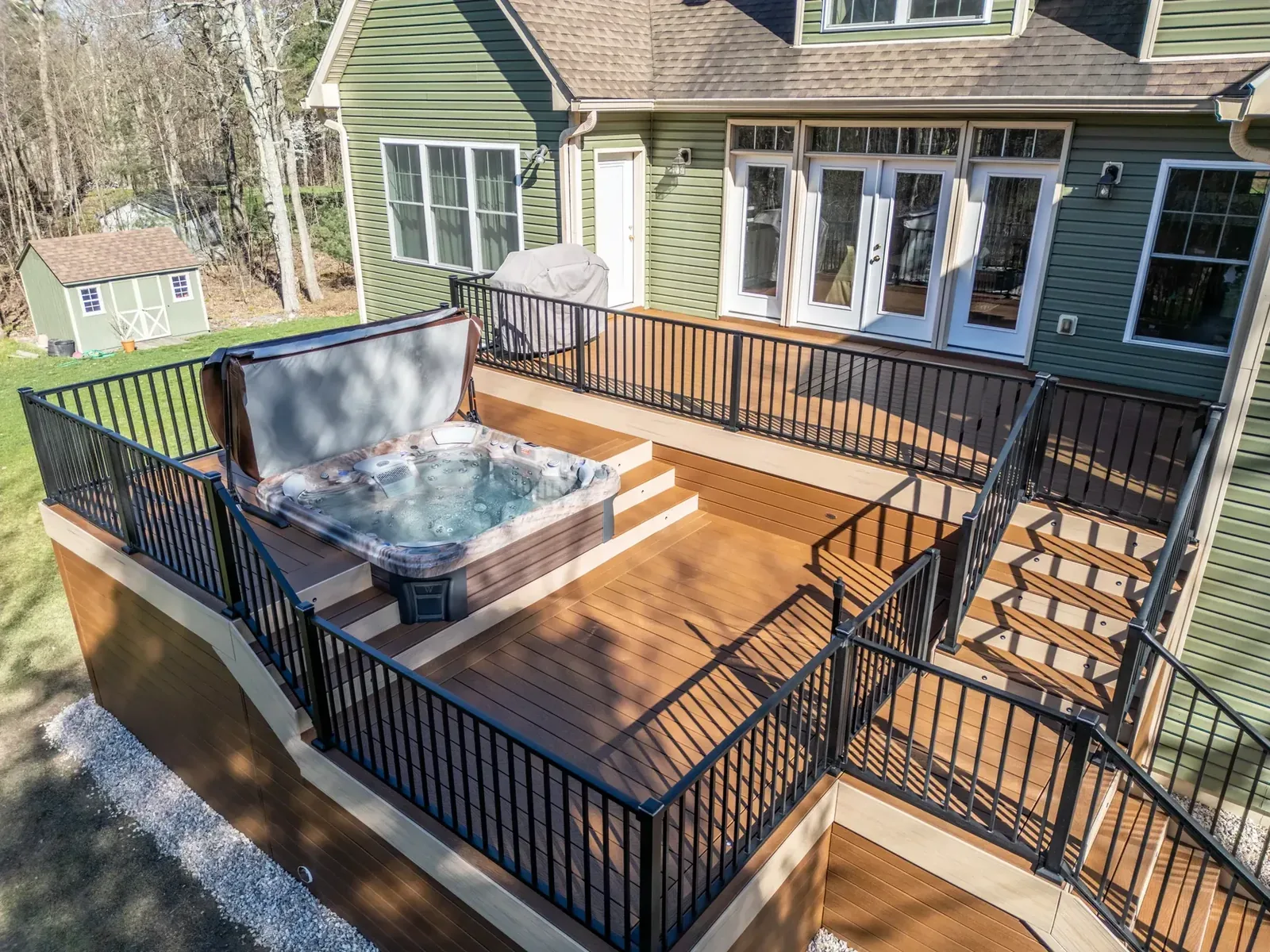
Repair, Resurface, or Rebuild: The Honest Triage for an Aging Deck
Wobbly rail, gray boards, soft spots — which decks are worth saving and which are not. The structural triage we run before recommending anything.
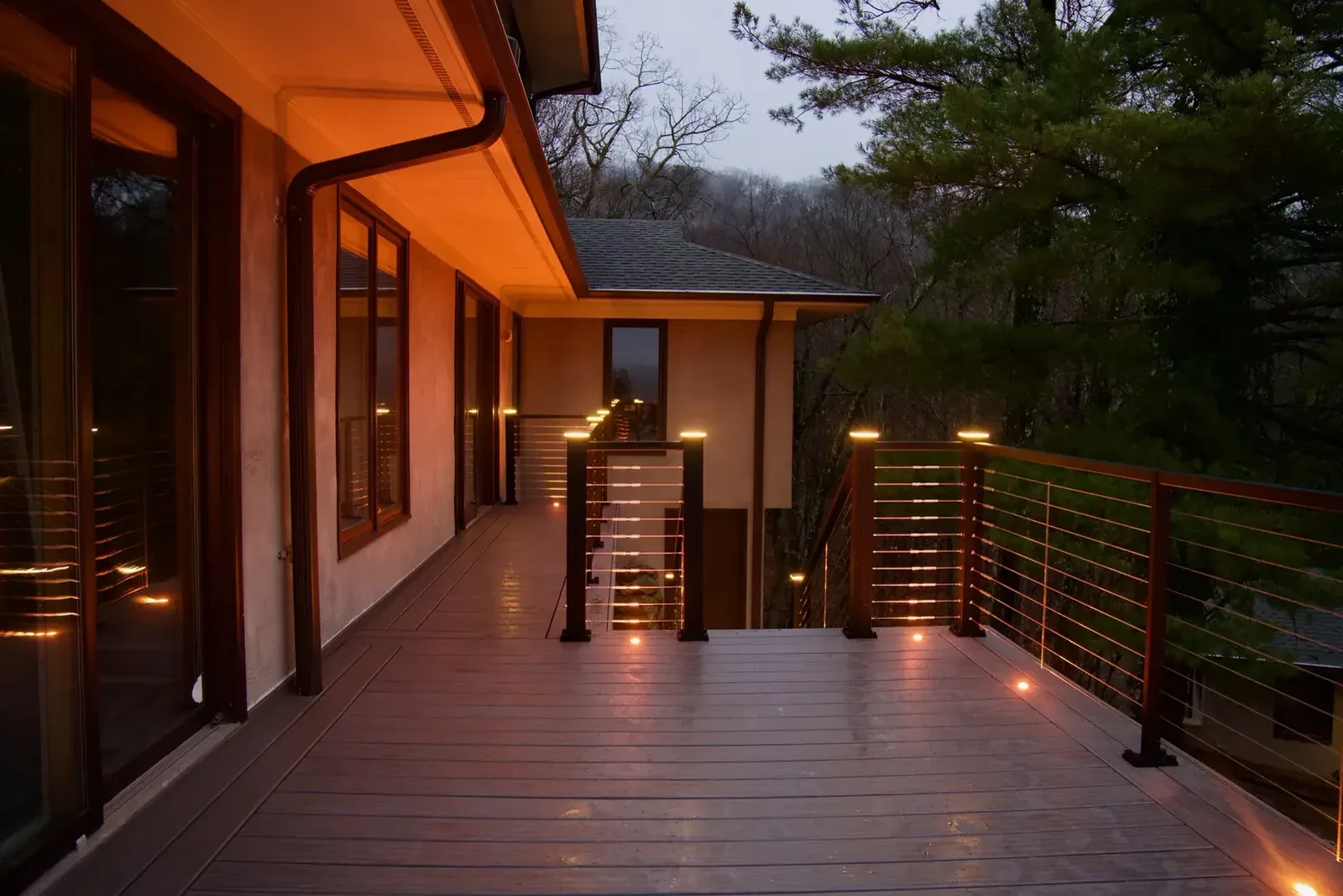
Snow on a Composite Deck: What to Use, What Voids the Warranty, What Can Wait
Plastic shovels, safe ice melt, snowblower paddles, and the January habits that scar capped composite — clearing a Trex deck without hurting the warranty.
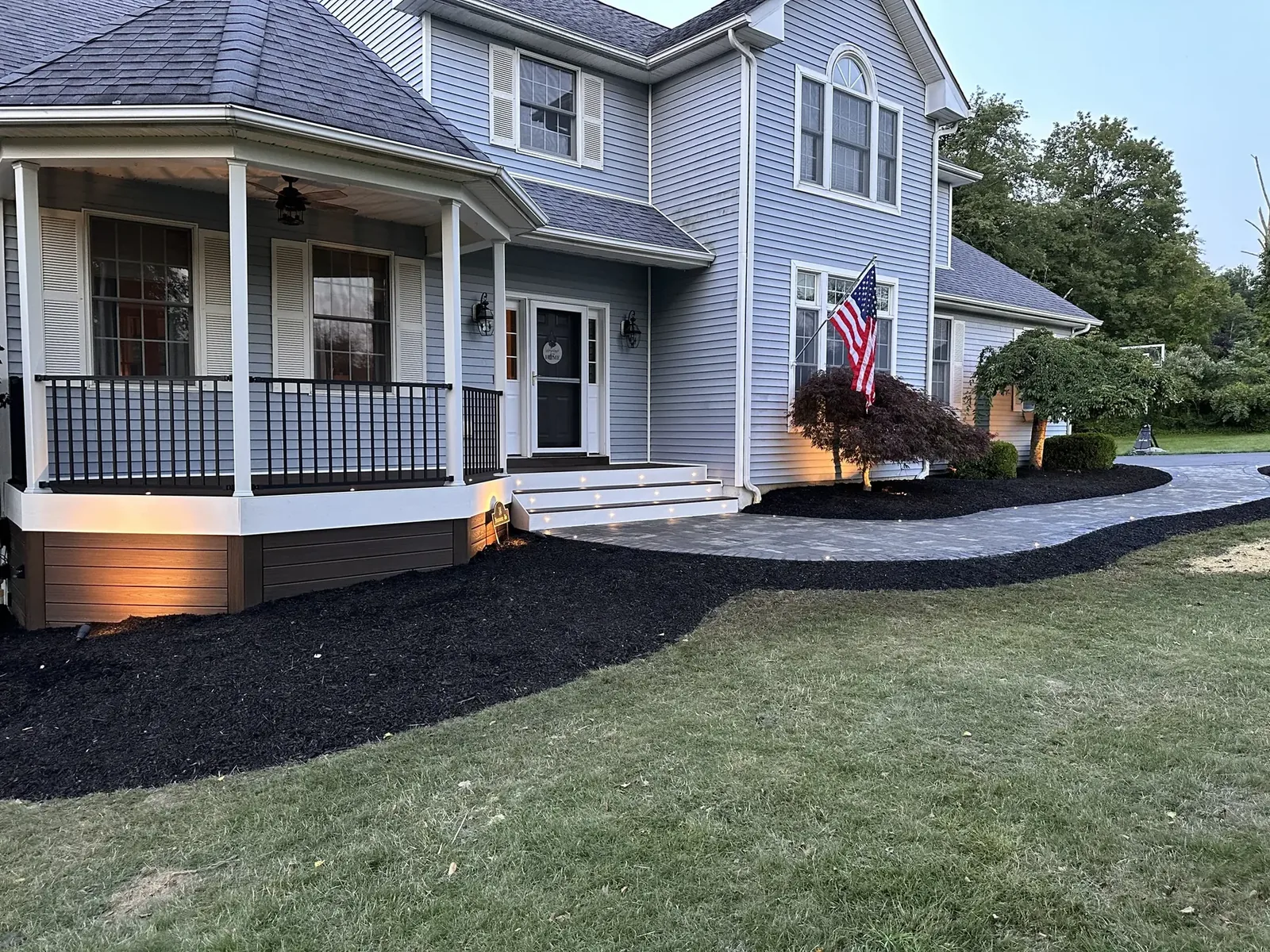
Roofs, Pavilions, and Motorized Shades — Making Outdoor Living Work Three Seasons Up Here
How roofs, pavilions, and motorized shades stretch Hudson Valley outdoor living from April into November — structures, wiring, snow shed, and zone planning.
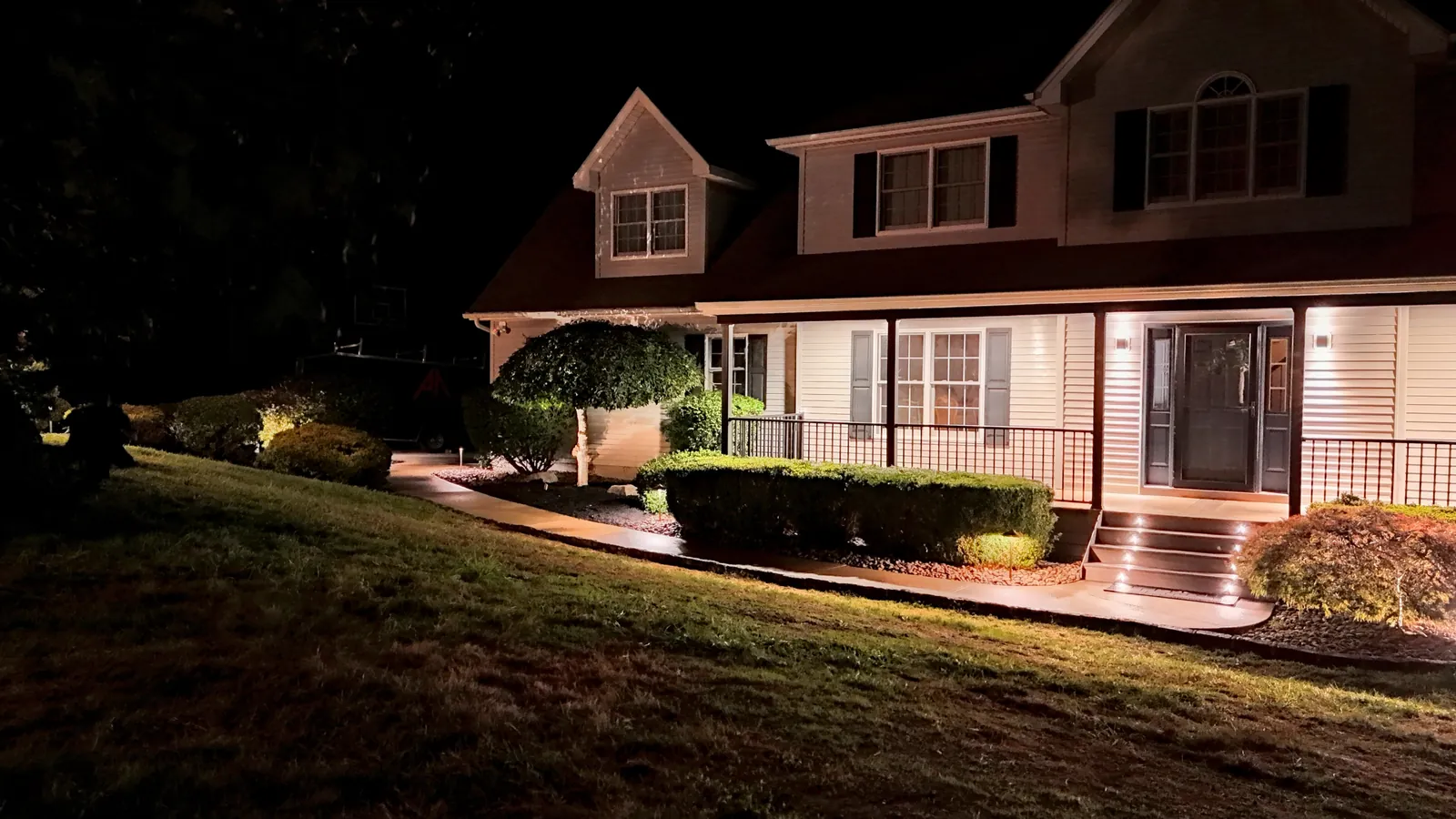
Deposits, Draws, and Payment Schedules: How Not to Get Burned on a Deck Contract
How a healthy deck payment schedule works — milestone-tied draws, deposit red flags, lien waivers in plain English, and the questions to ask before any check.
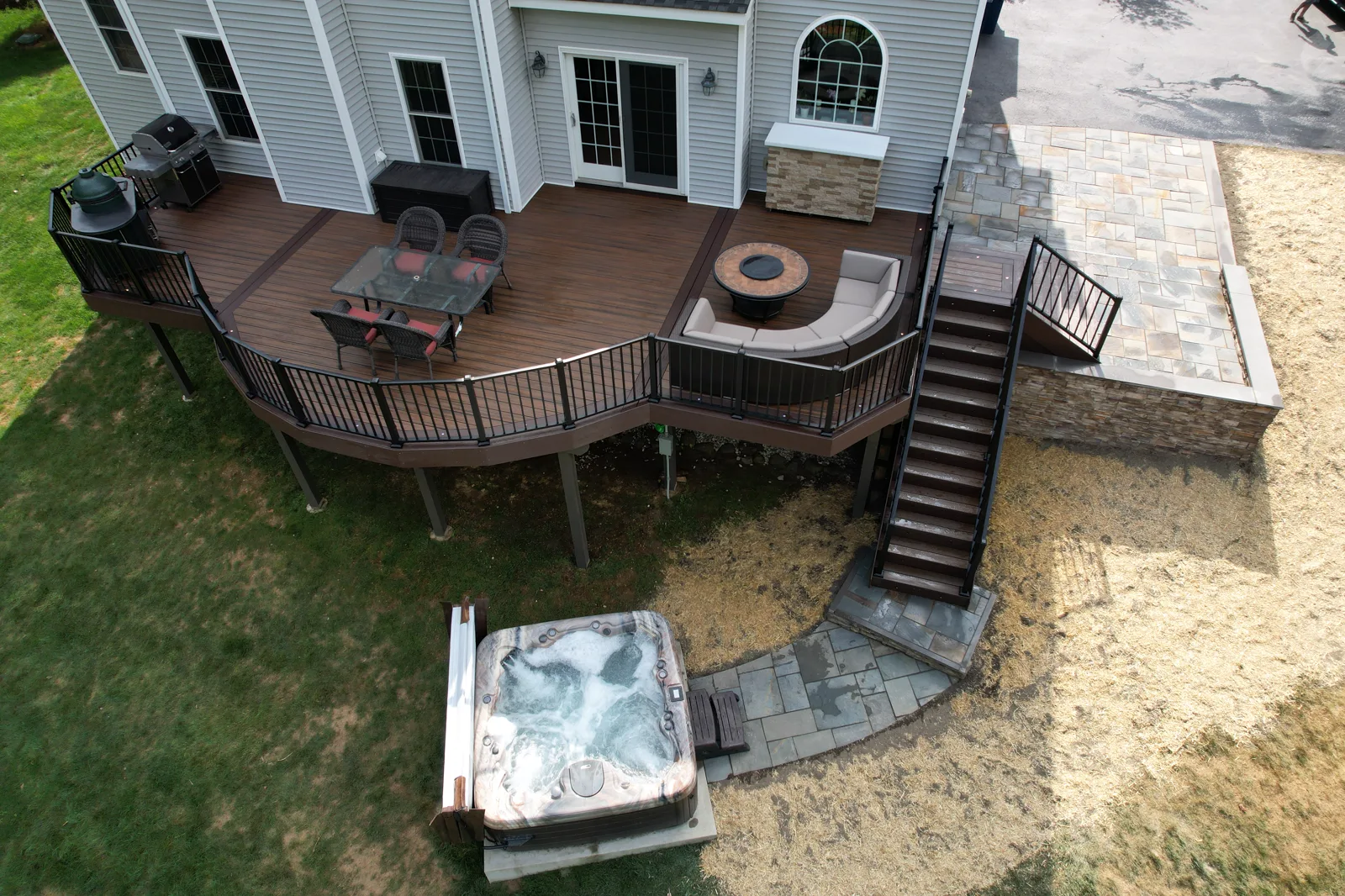
The Deck You Never See: Why the Frame Decides How Long the Deck Lives
You shop the boards. The frame decides if they last. Joist tape, ledgers, and hardware grade — the deck nobody photographs.
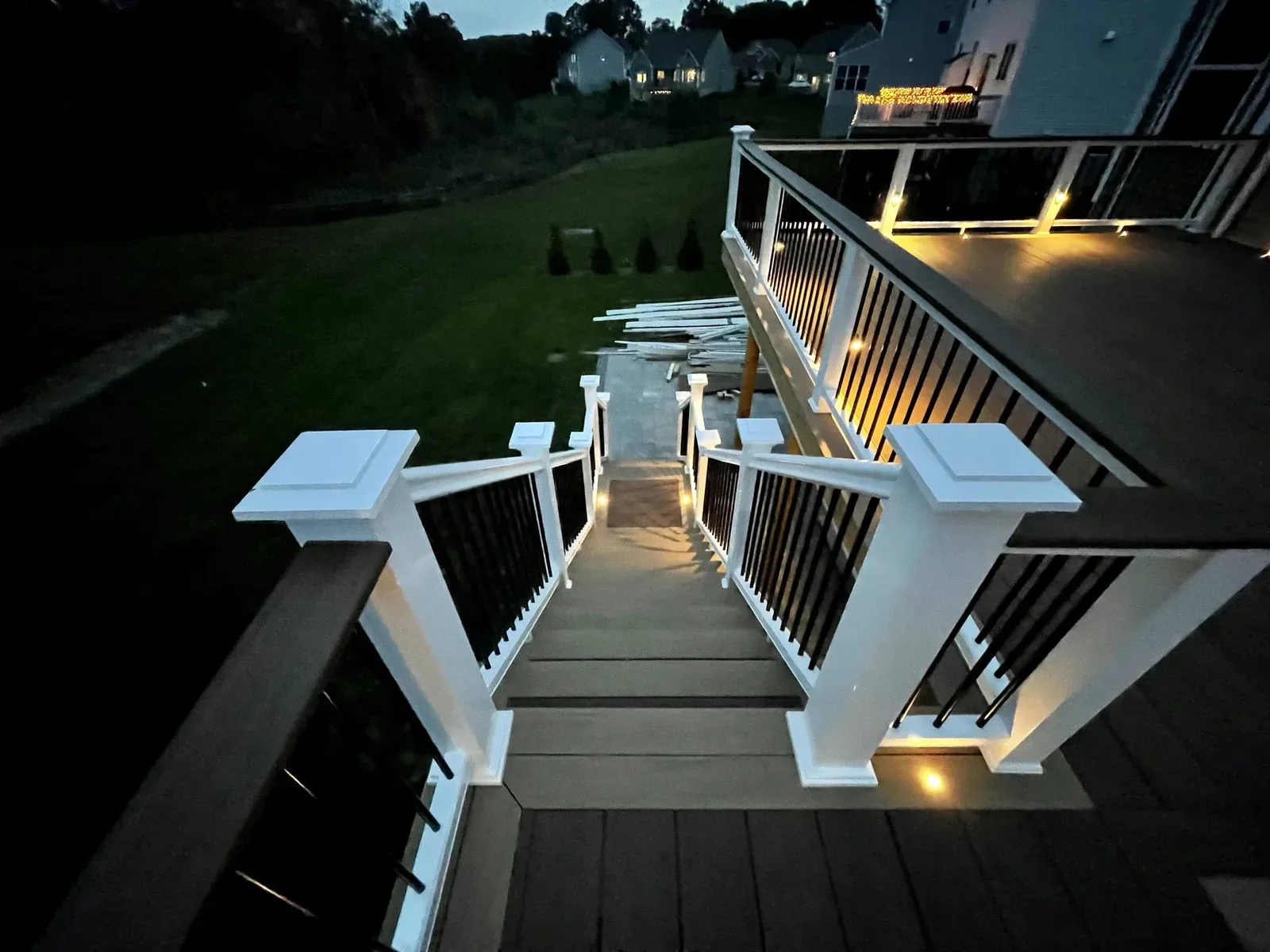
Is the Deck You Inherited Safe? A Homeowner's Inspection Checklist
A practical safety checklist for decks that came with the house: ledger connection, railing wobble tests, post bases, hidden rot, rusty fasteners, and stairs.
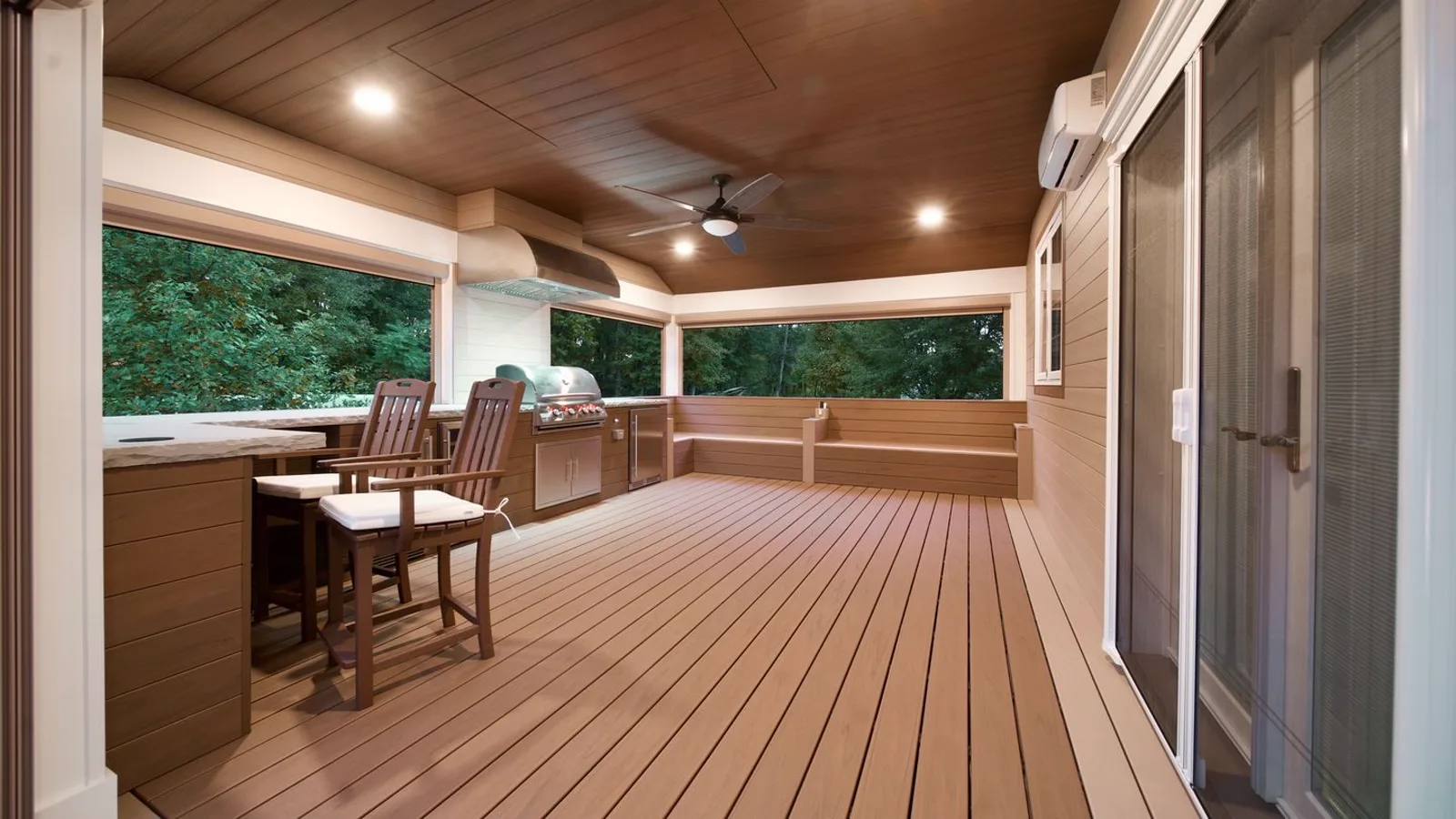
Deck Permits in the Hudson Valley: What You're Actually Signing Up For
Why deck permits protect Hudson Valley homeowners: what triggers one, the inspection sequence, frost and snow realities, and how a permit trail adds value.
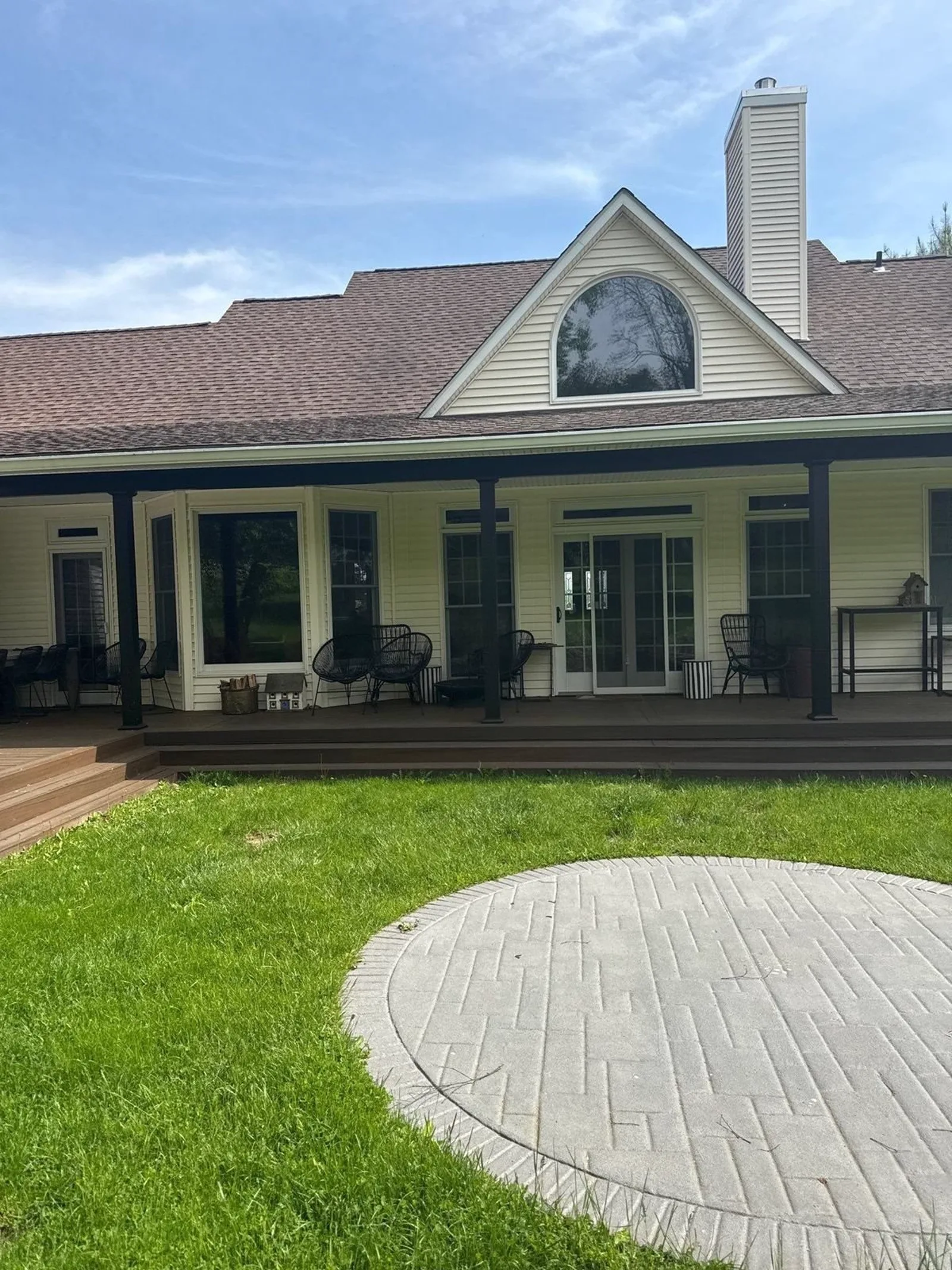
"Maintenance-Free" Decking: The Honest Version
Maintenance-free sells boards. The honest version: what composite actually asks of you after the install truck leaves.
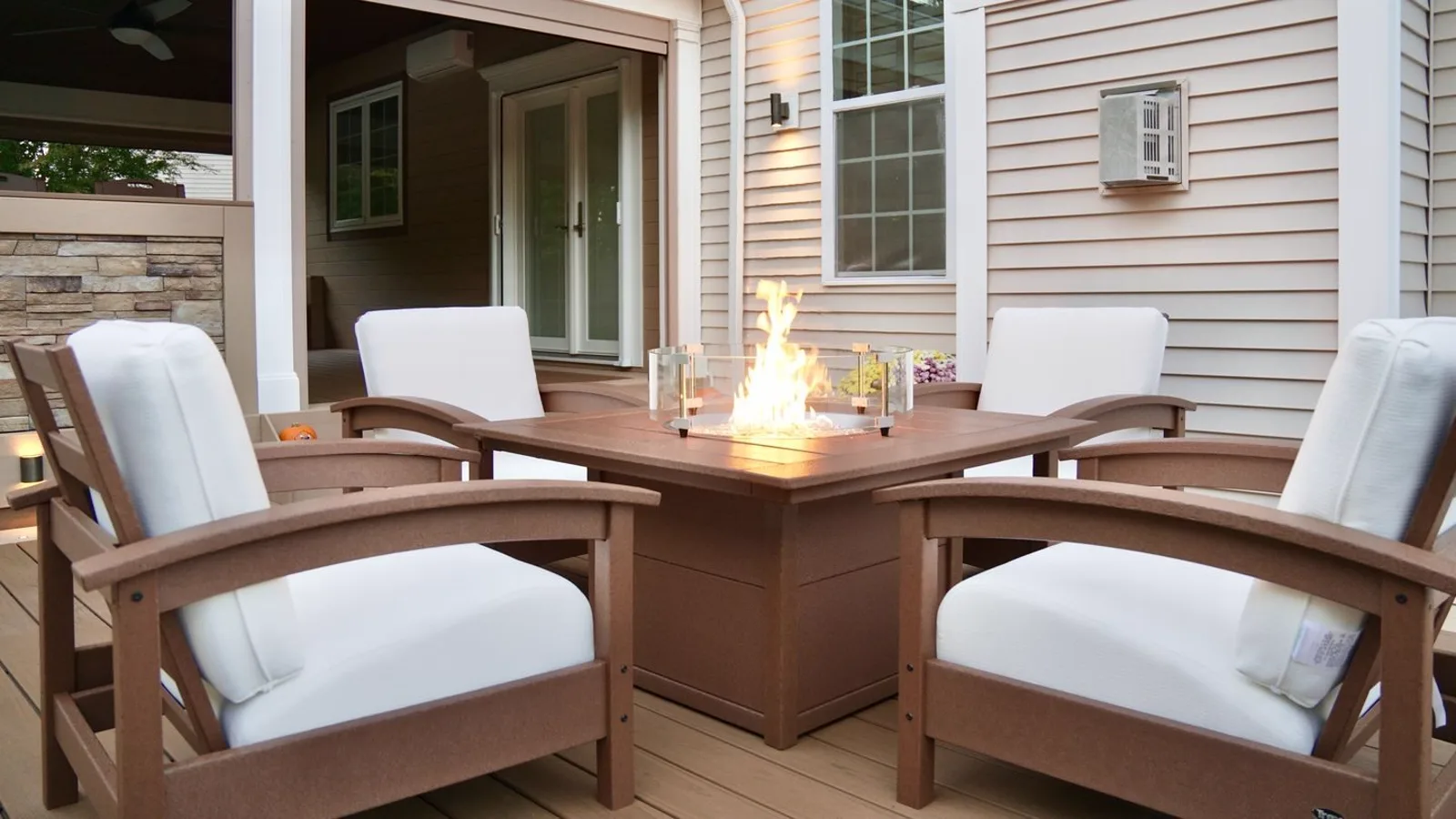
Why Deck Contractors Ghost You — and What Serious Communication Looks Like
Three estimates. Two go quiet. Why contractors disappear after the walkthrough — and what serious communication looks like.
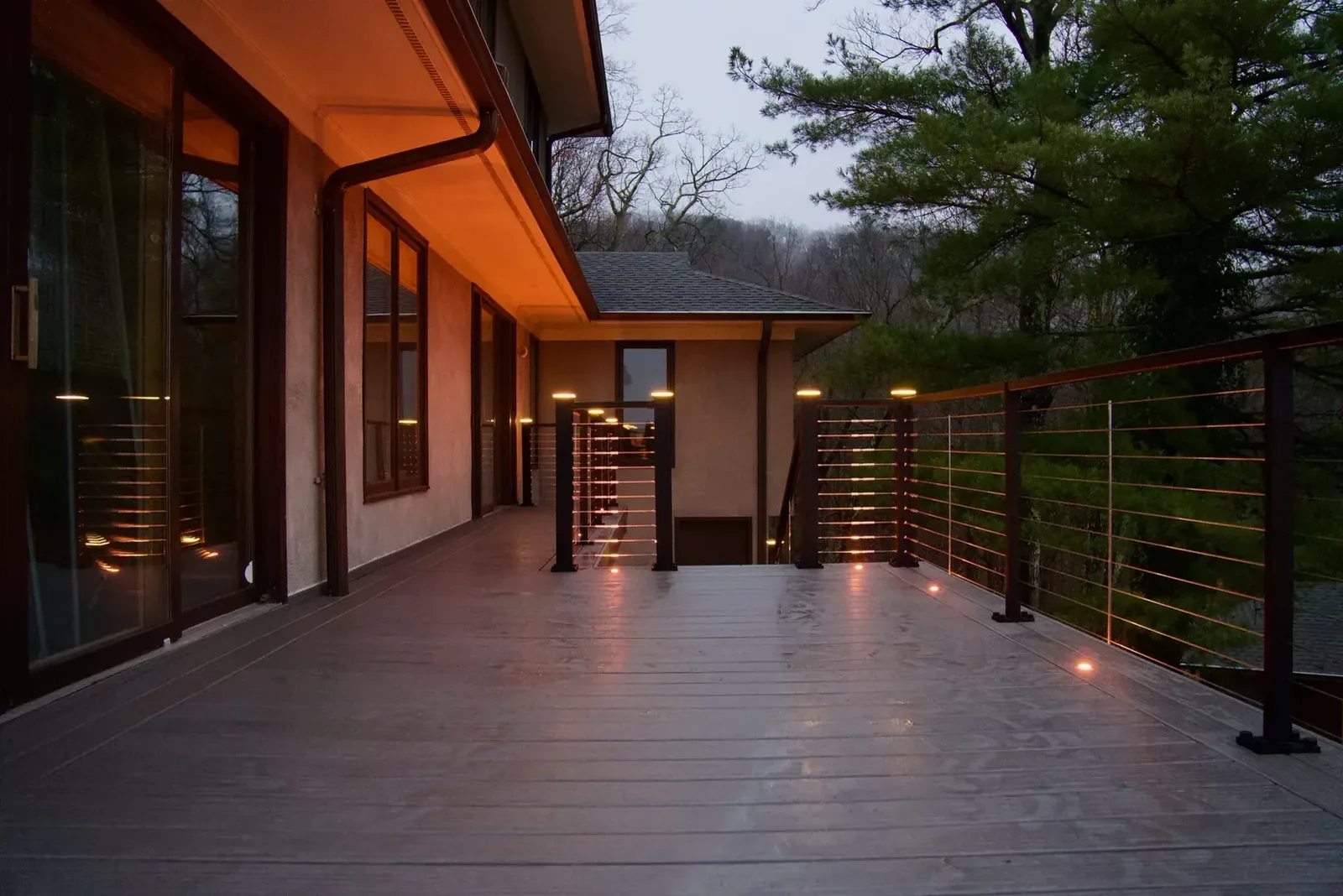
Deck Proposal Red Flags Hudson Valley Homeowners Should Catch Before They Sign
Scope gaps, vague footing language, missing railing specs, lighting, drainage, permits, and engineering red flags to catch before signing a Hudson Valley deck proposal.
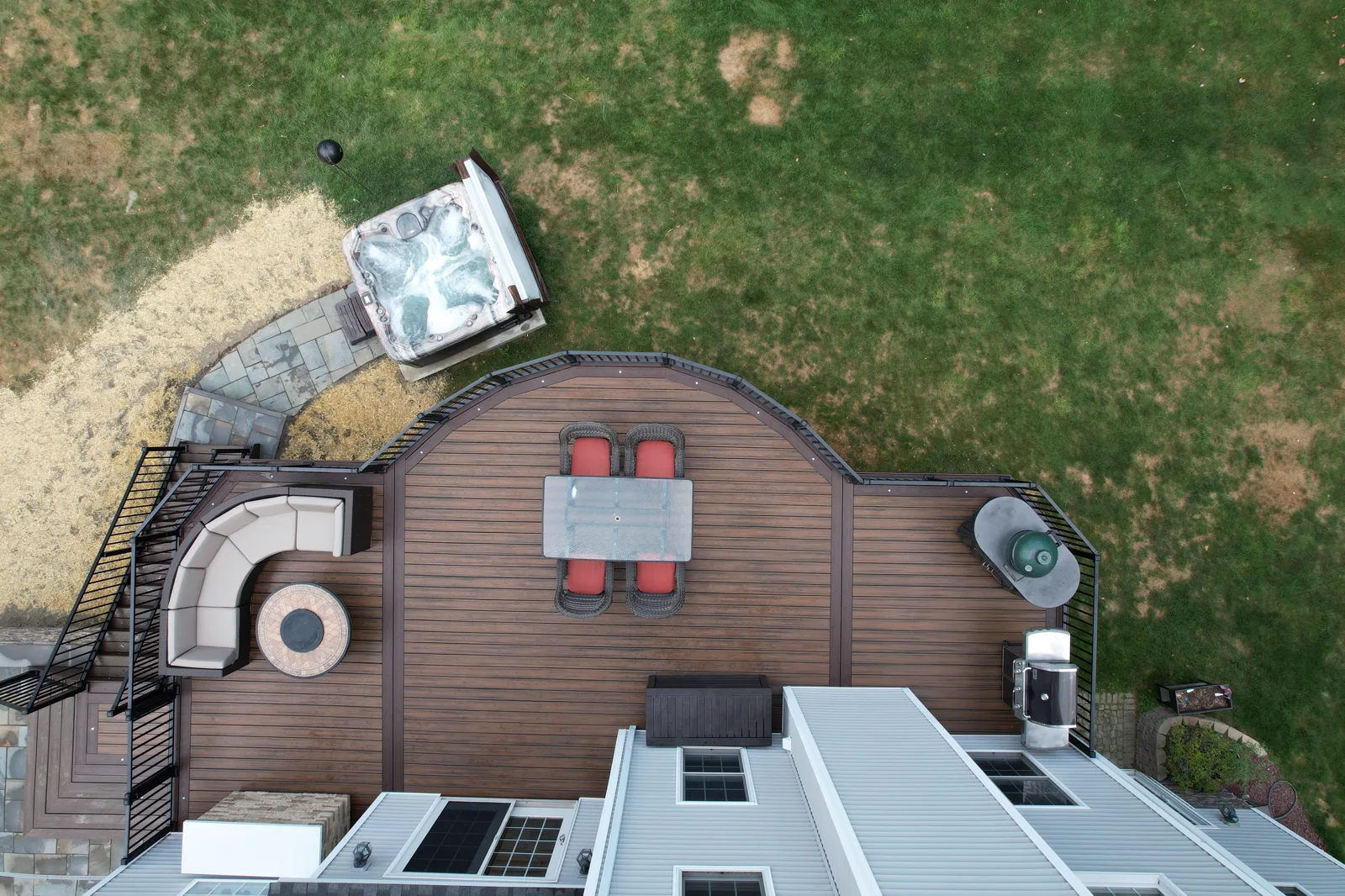
Deckorators vs Trex: Two Separate Brands, Different Decisions
Deckorators vs Trex explained clearly: two separate brands, different product systems, warranties, strengths, and deck-design decisions.
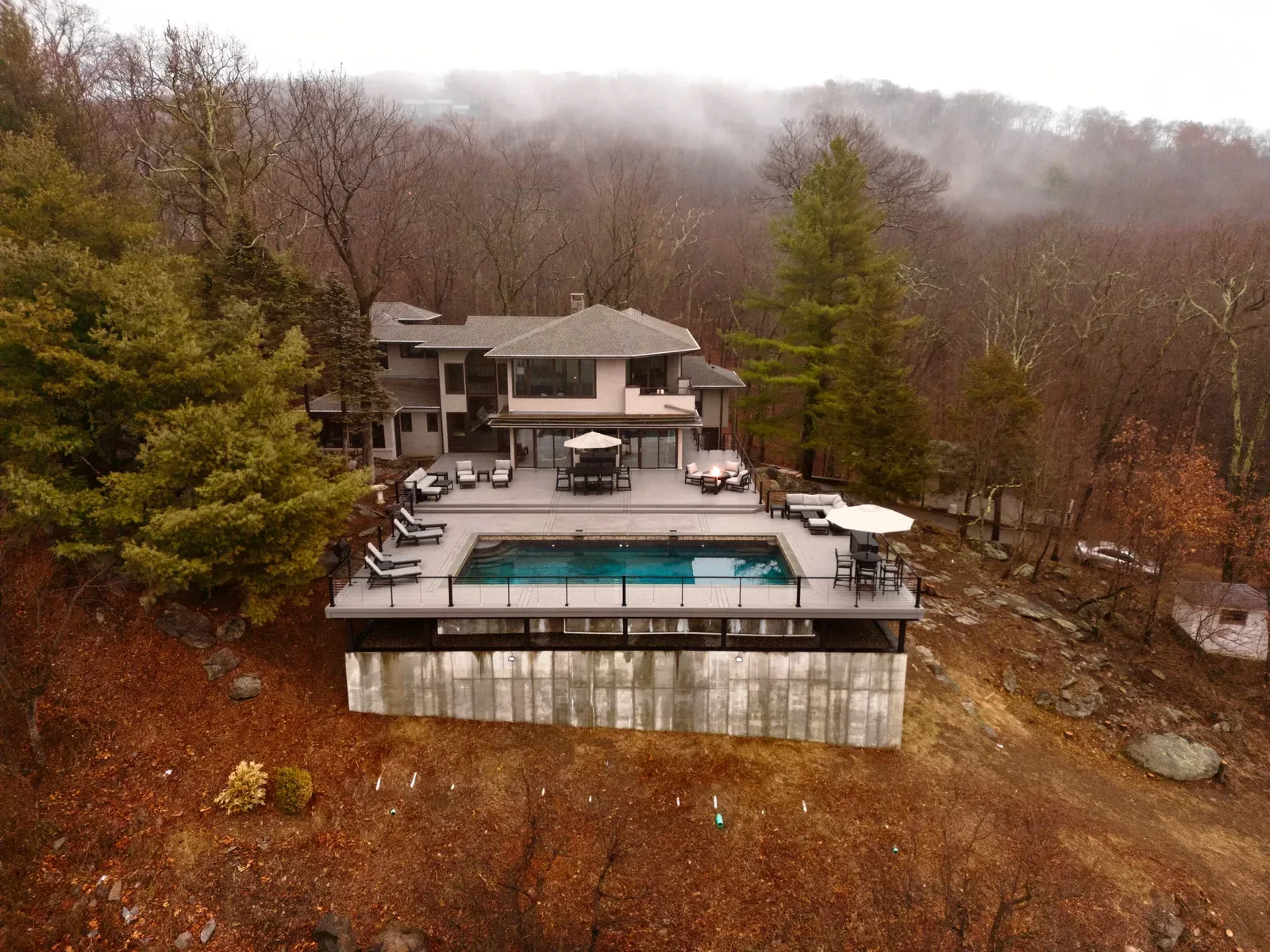
Helical Piles vs Concrete Footings for Hudson Valley Decks
Helical piles vs concrete footings for Hudson Valley decks: frost, clay, slope, ledge, torque verification, schedule reliability, and proposal language.
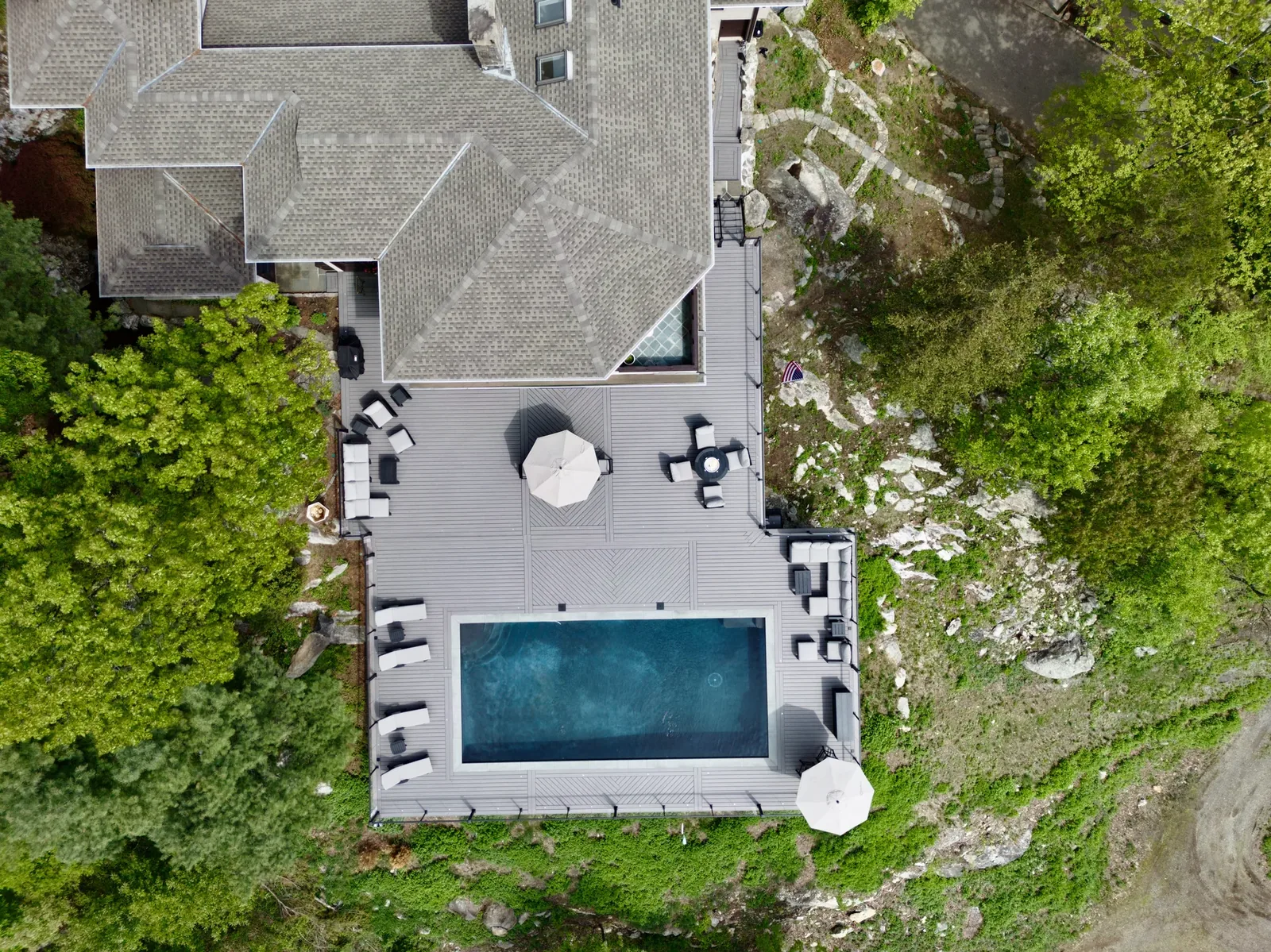
Trex Transcend Lineage in Hudson Valley Sun: Heat, Color, and Long-Term Performance
Trex Transcend Lineage in Hudson Valley sun: heat expectations, color selection, capped composite performance, and how to choose a board honestly.
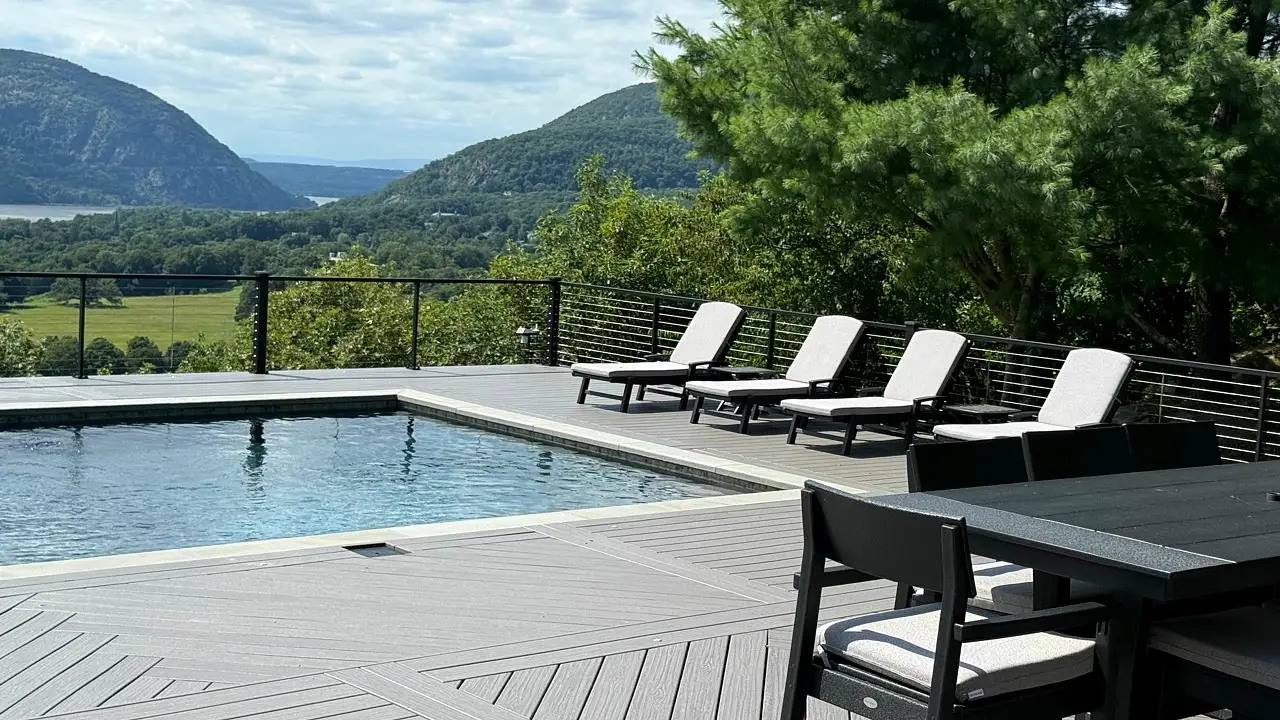
Heat Migration in Composite Decking, the Honest Version
Dark composite gets hot in the sun. Both sides of the industry play games with that fact. Here's the straight answer on heat, which boards run hottest, and how we design it down.
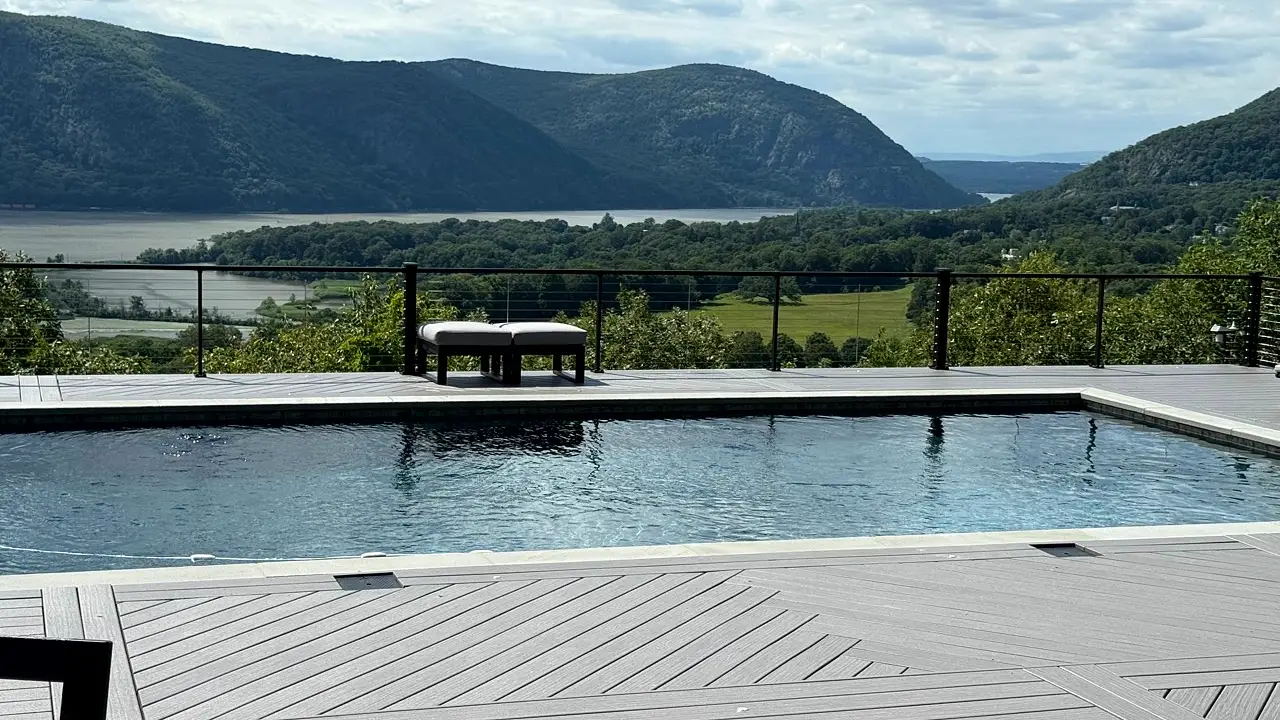
Trex Transcend Lineage, the Colors, the Heat, and When It's the Right Call
Lineage is not a brochure upgrade. When the heat tech, colors, and install details make it the right Trex call — and when they do not.
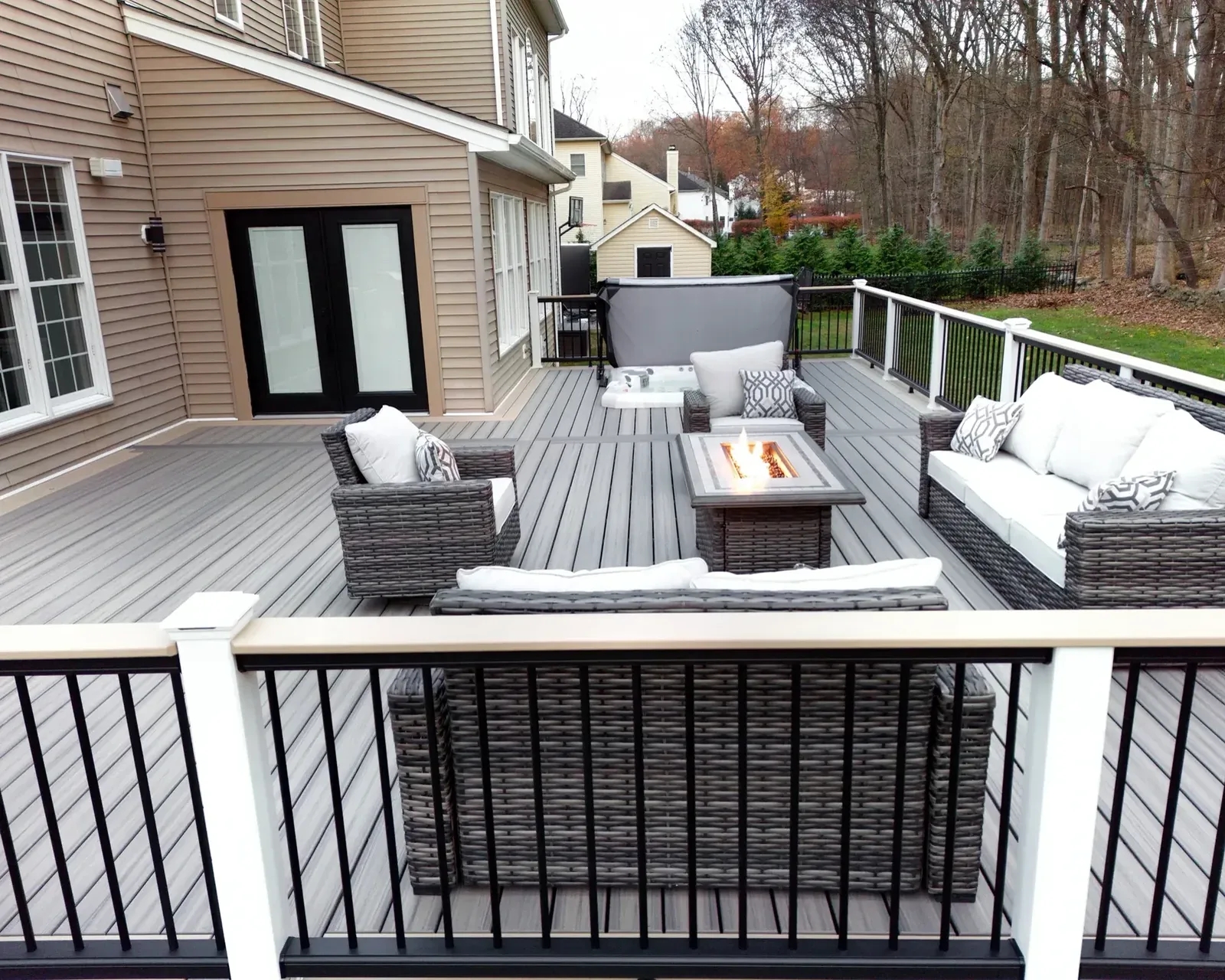
Trex vs Deckorators, An Honest Take From a Builder Who Installed Both
Deckorators is an independent brand with real strengths, especially in wet conditions. Here's the honest reason Pinnacle builds on Trex in the Hudson Valley anyway.
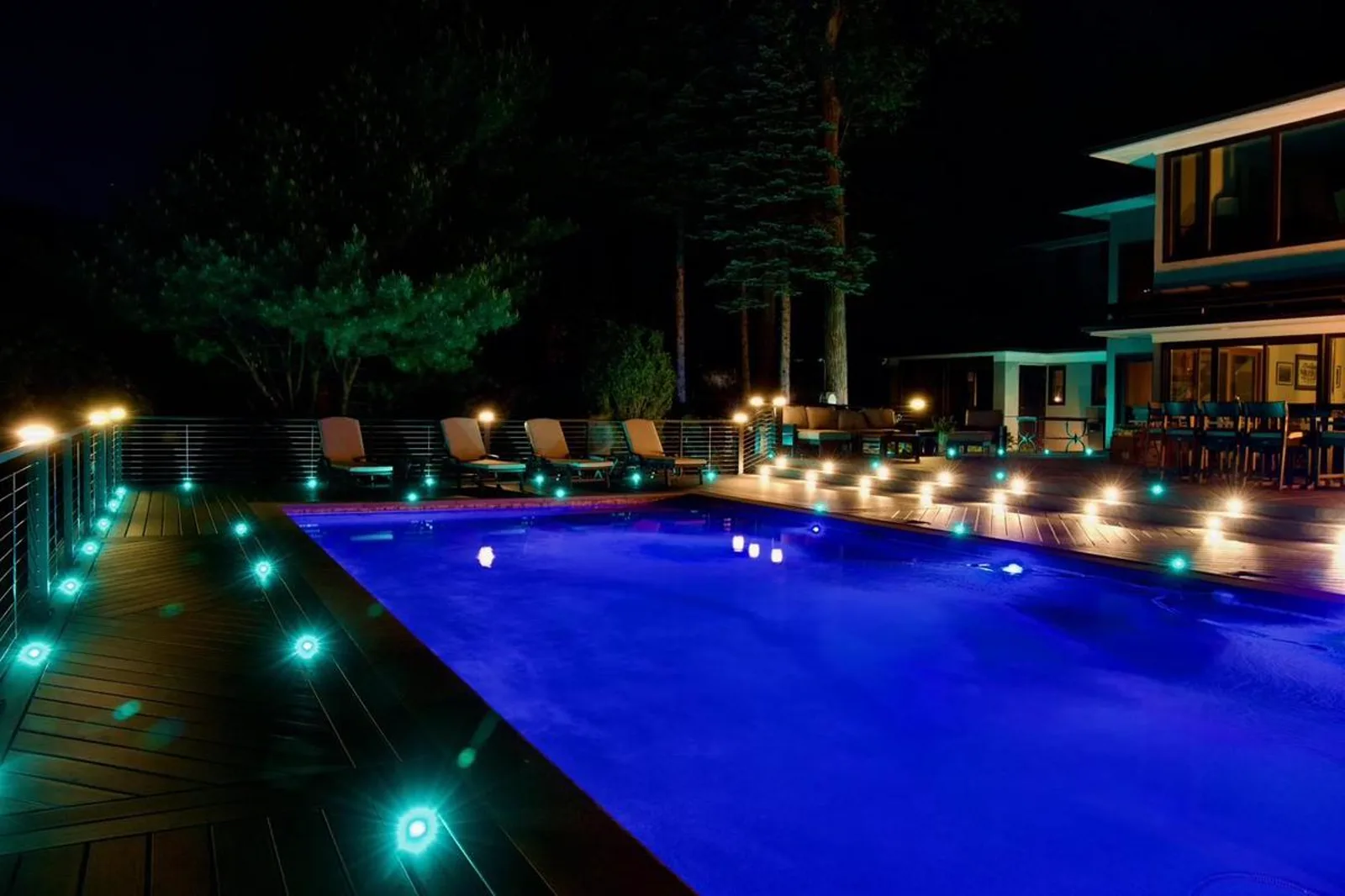
The Trex Warranty Explained, What's Actually Covered
Two warranties cover a Trex deck, and one rule decides whether you're protected at all. What the manufacturer covers, what the Platinum labor warranty adds, and how the 10-year coverage gets unlocked.
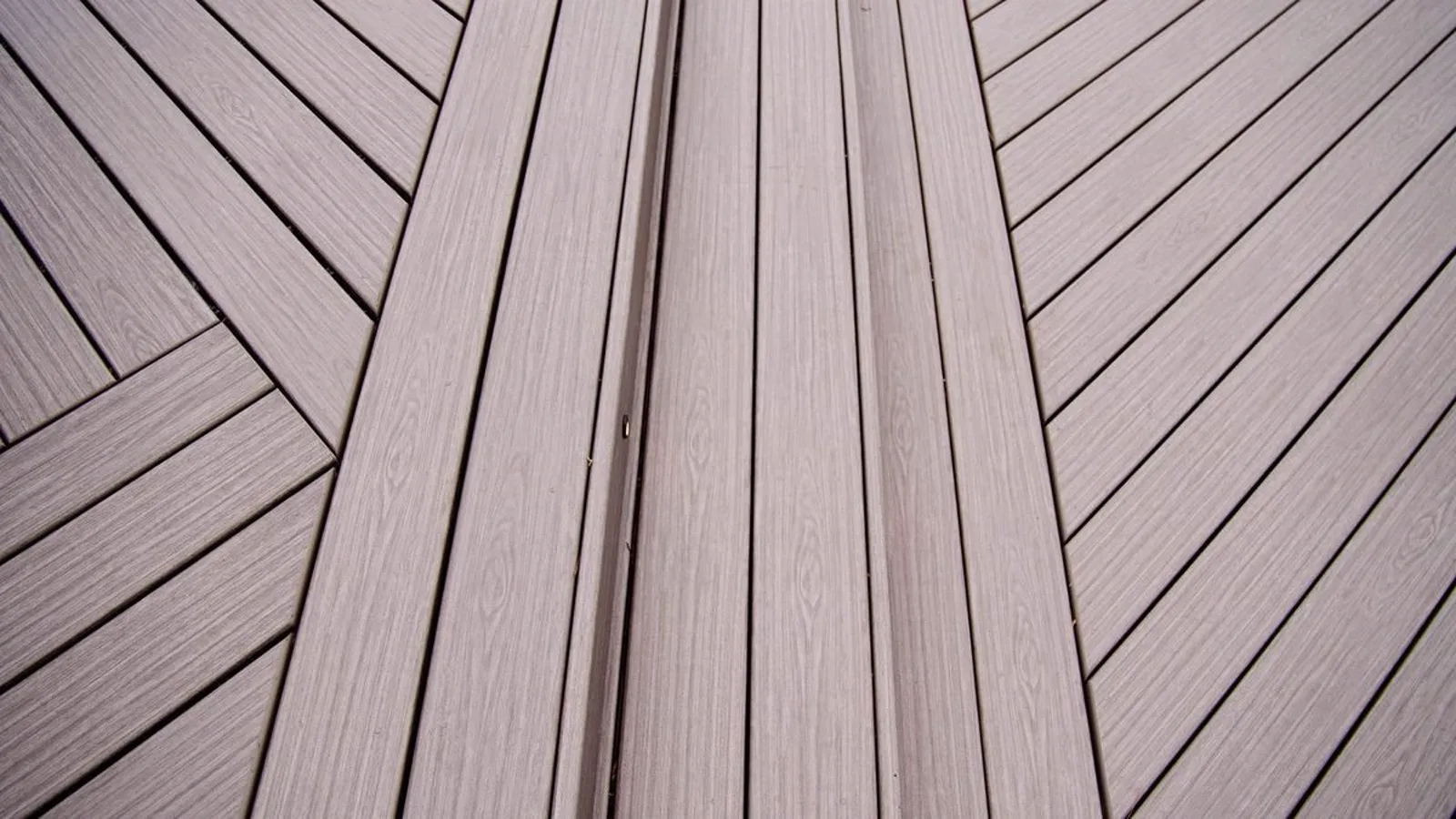
Why We Build on Trex Composite Decking
We didn't pick Trex out of a brochure. We built on every major composite for years, walked them through real Hudson Valley winters, and followed the system that held. Here's the honest version.
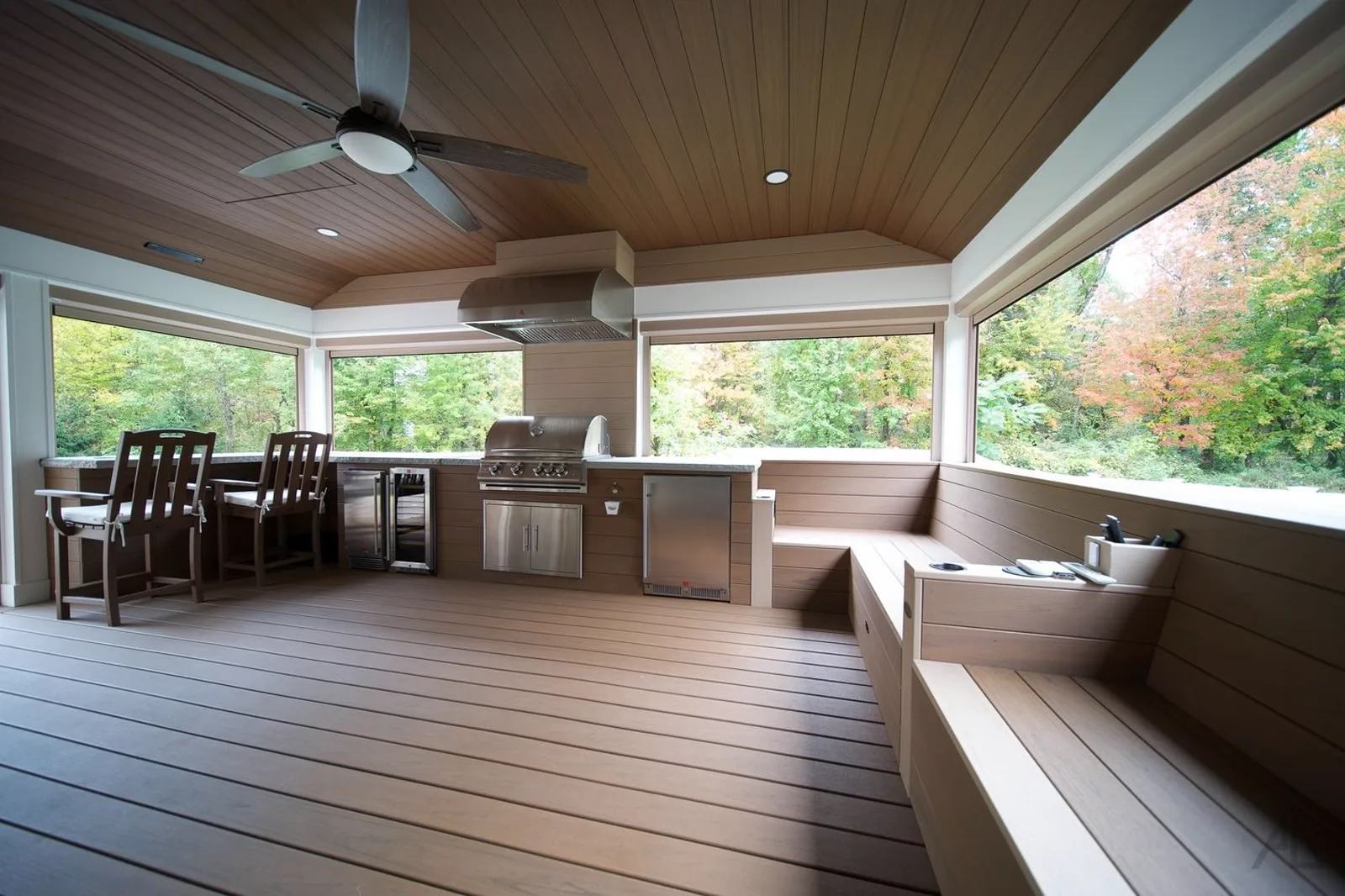
Why We Stopped Installing AZEK PVC Decking
Not a hit piece. PVC made us better builders. Then the North taught us what it does in our winters, and we followed the better system. Here's the honest reason we build on Trex now.
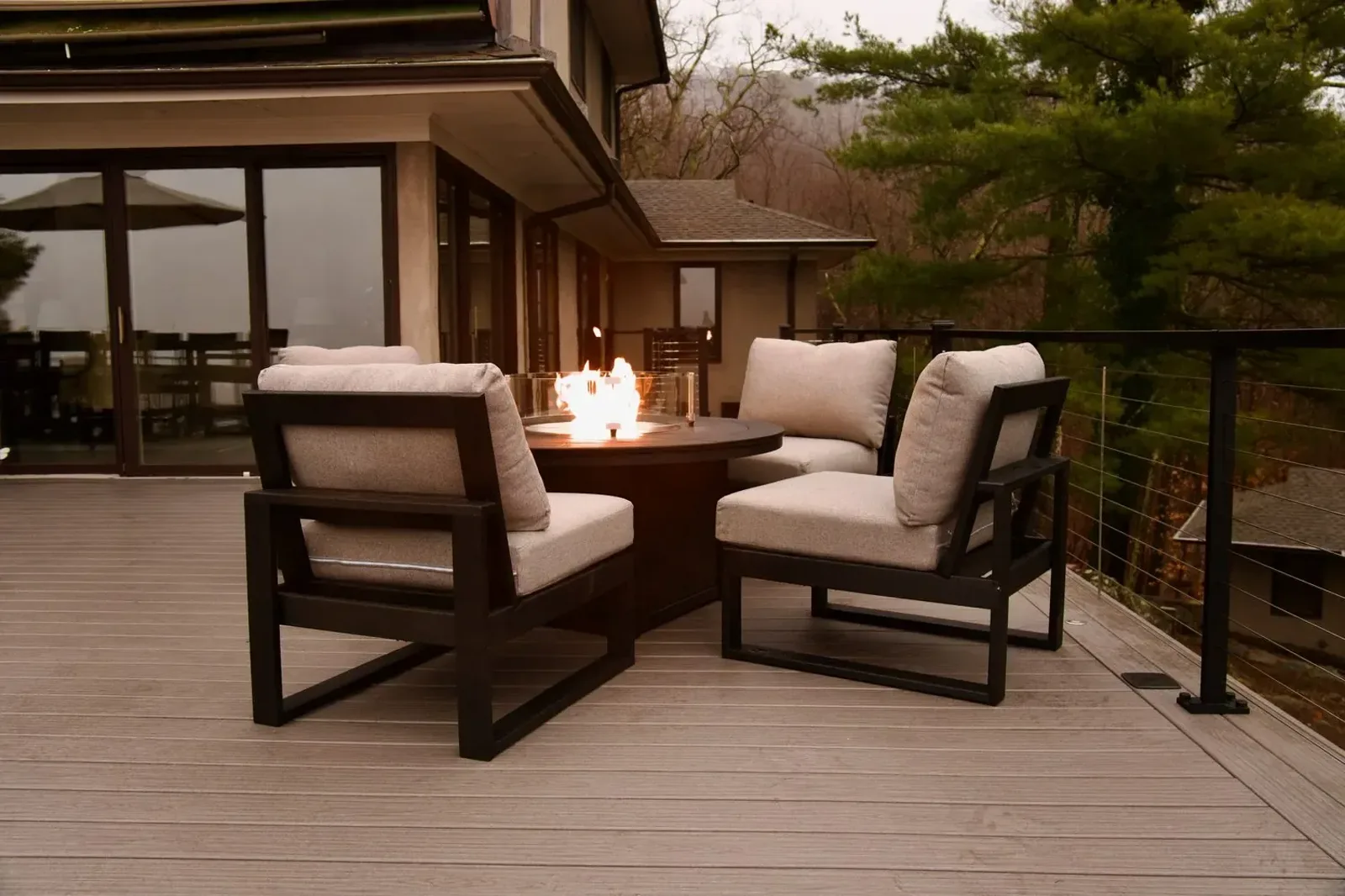
Cable Railing vs Frameless Glass — How to Choose
Both give you an unobstructed view. They are not the same. Maintenance, looks in five years, cost, and which site calls for which.
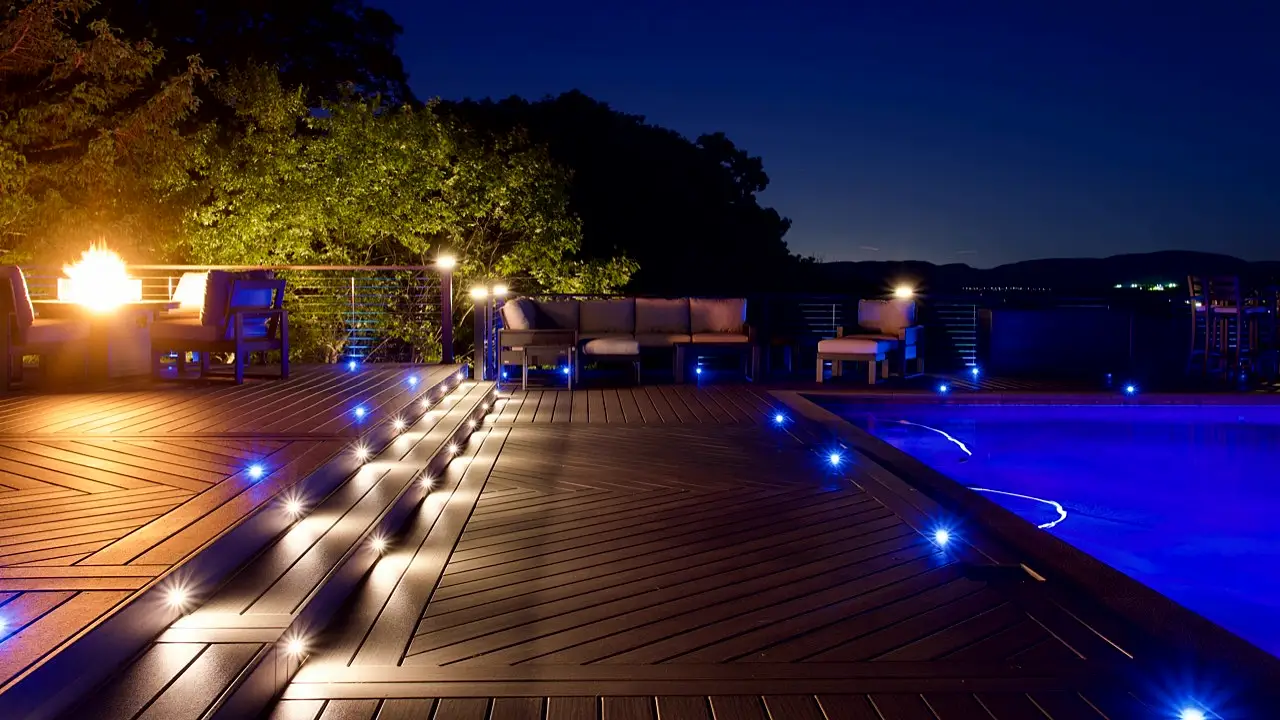
Haven Full Color LED Deck Light — What It Actually Does to a Deck After Dark
Most deck lighting is a few post caps. Haven is a full-color programmable system across in-deck, riser, post, and landscape zones. Here is how it works.
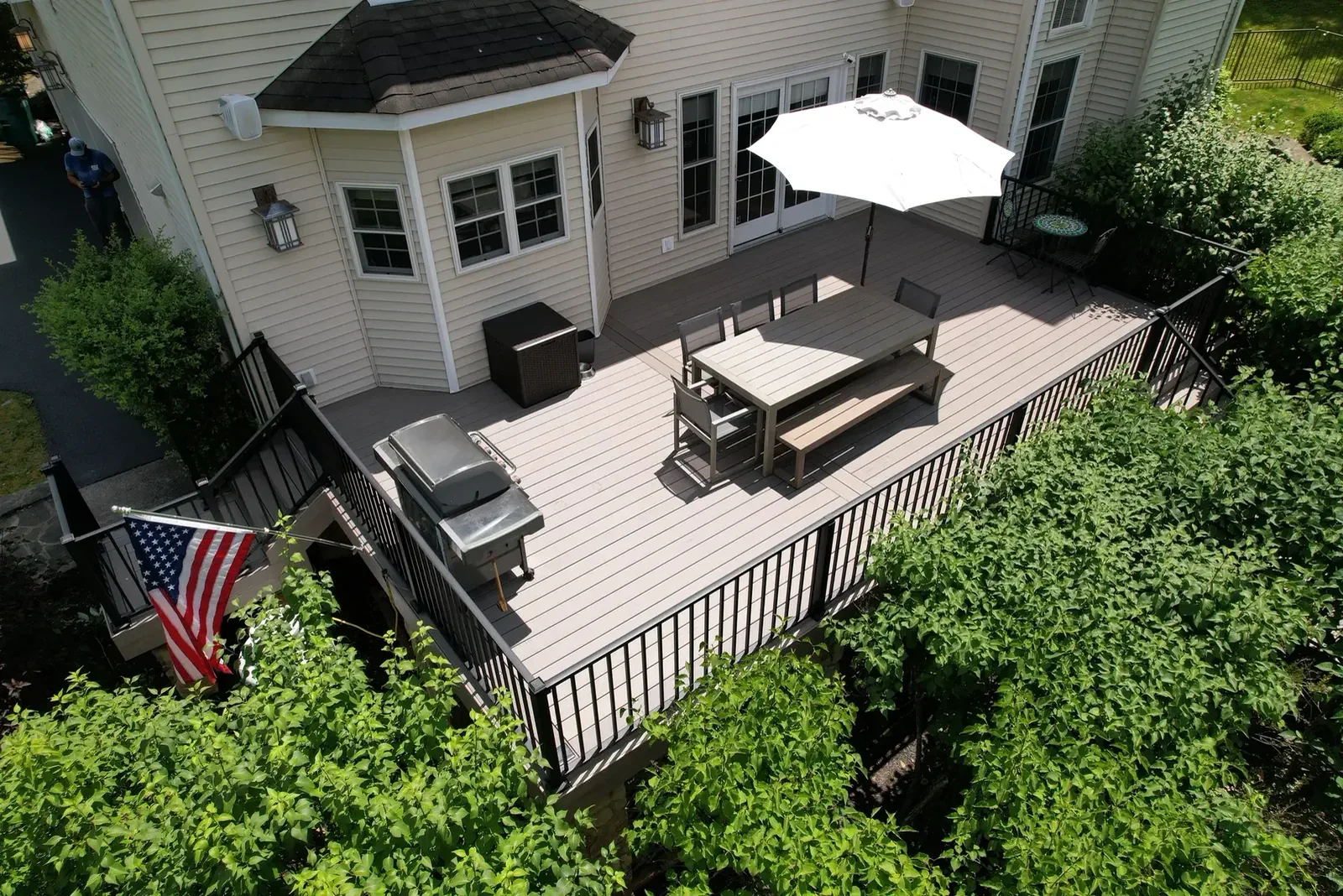
How to Read a Deck Proposal — Questions to Ask Before You Sign
A proposal is a sales document. Here is how to read it like someone who has to live with the deck.
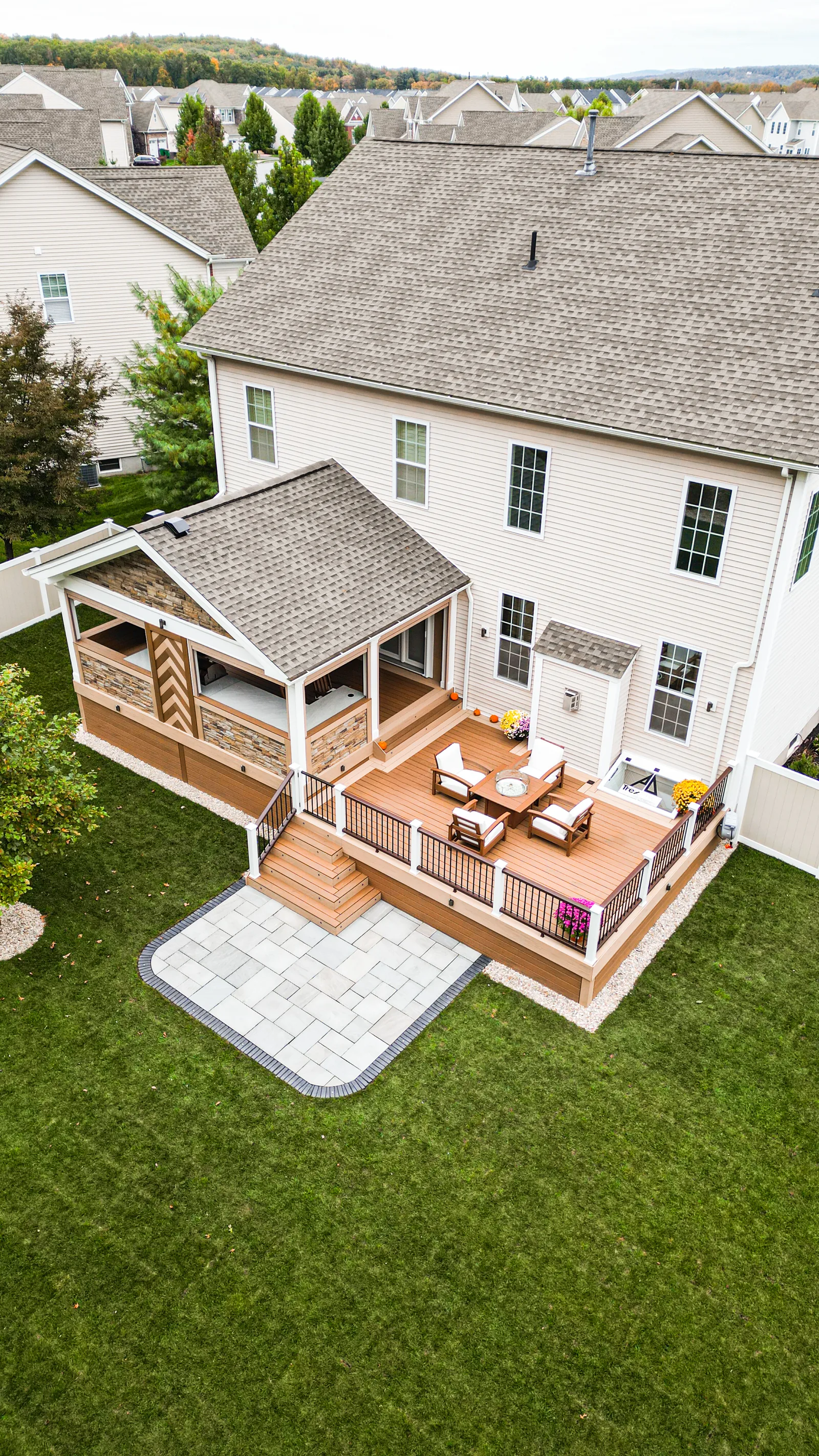
What Does a Luxury Deck Cost in the Hudson Valley
Anyone quoting per-square-foot before a site walk is guessing. What actually drives a luxury Hudson Valley deck investment.
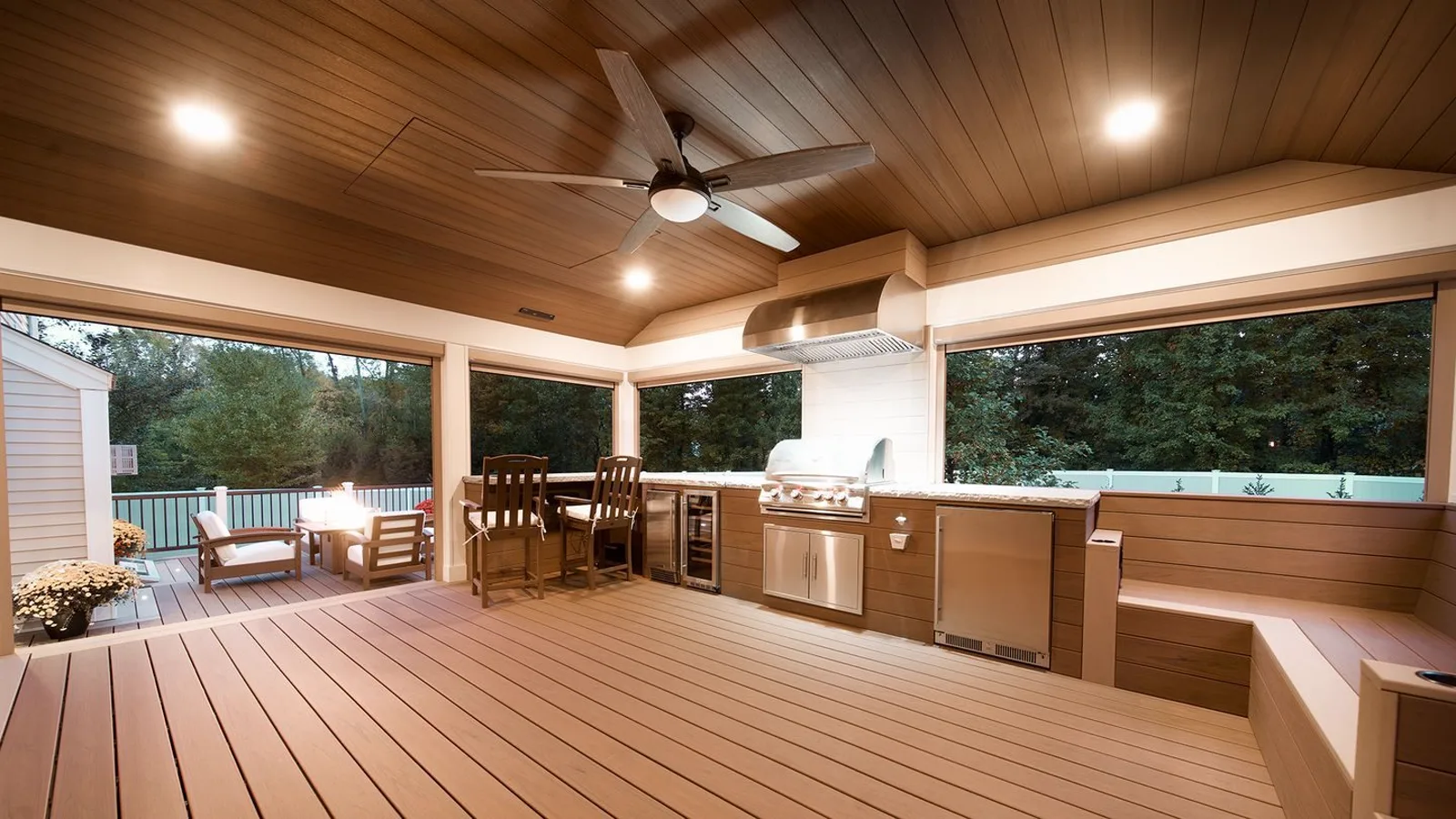
Planning an Outdoor Kitchen — What to Decide Before Construction Starts
An outdoor kitchen designed into the deck from day one beats one bolted on later. Here is what to decide before we break ground.
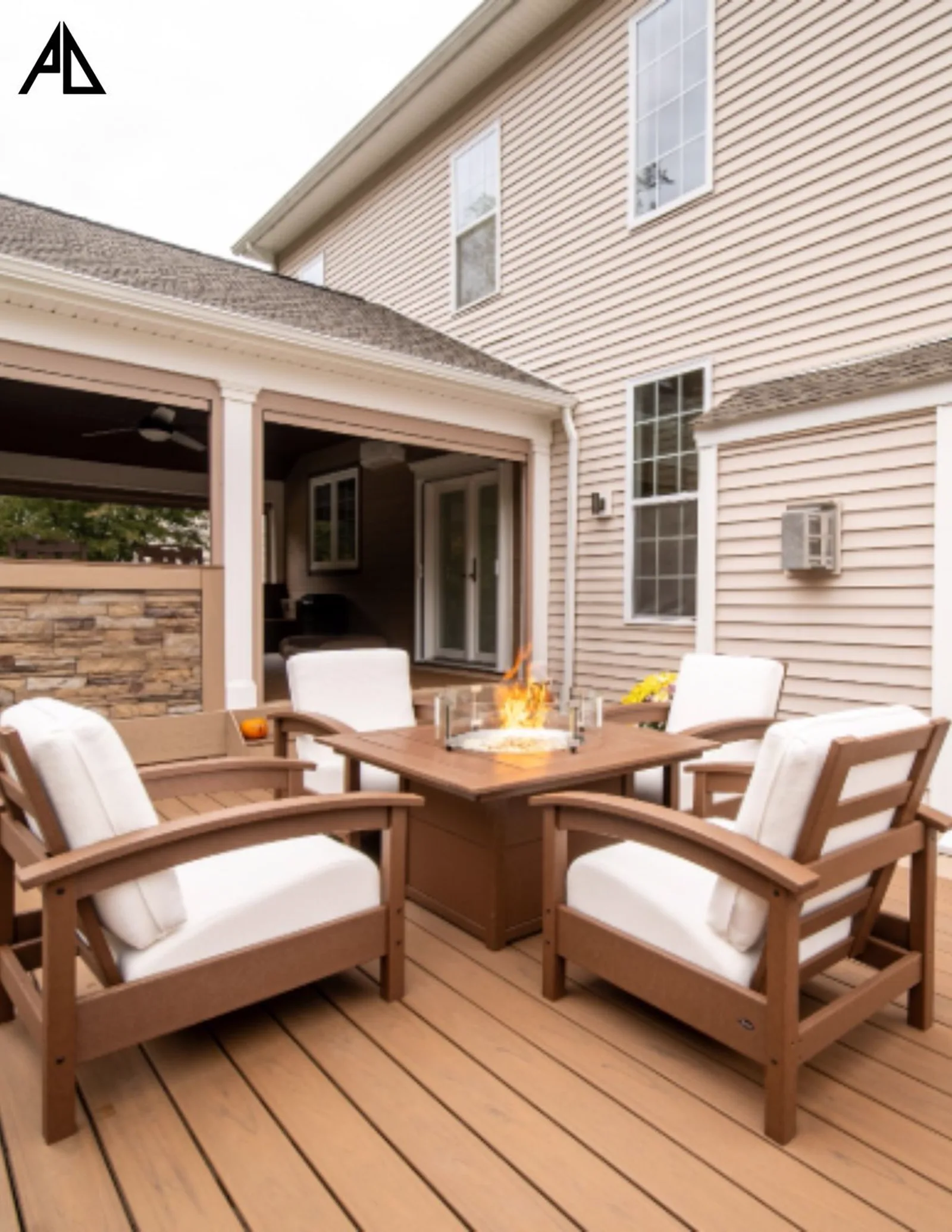
Picture Frame Border Decking — Why It Matters More Than You Think
The border is not trim for show. Why a picture-frame edge changes how a deck looks, drains, and holds up.
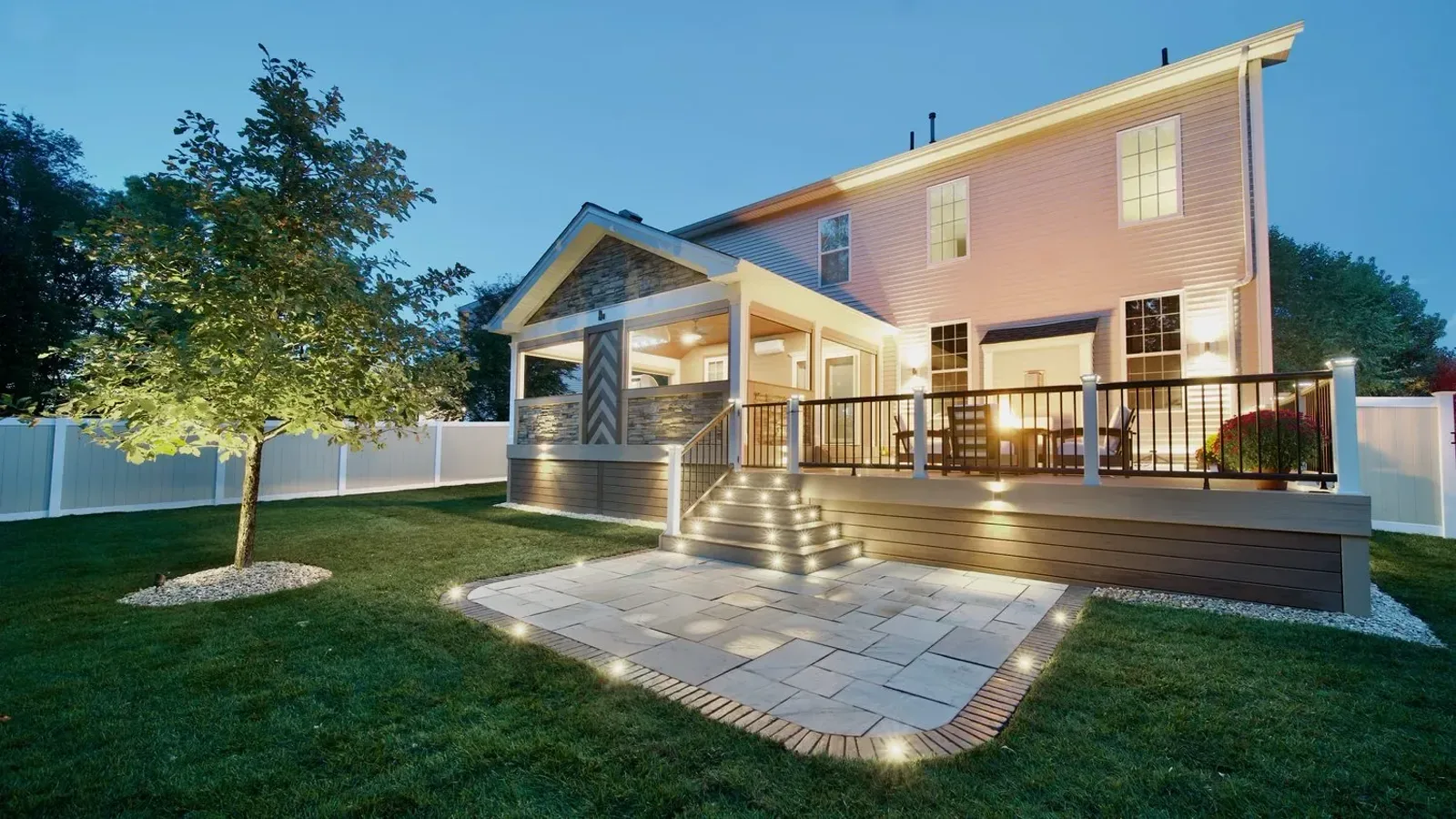
How Trex Performs in a Hudson Valley Winter
Freeze-thaw, ice, snow load, road salt. What actually happens to composite decking after five Hudson Valley winters, and which boards fail early.
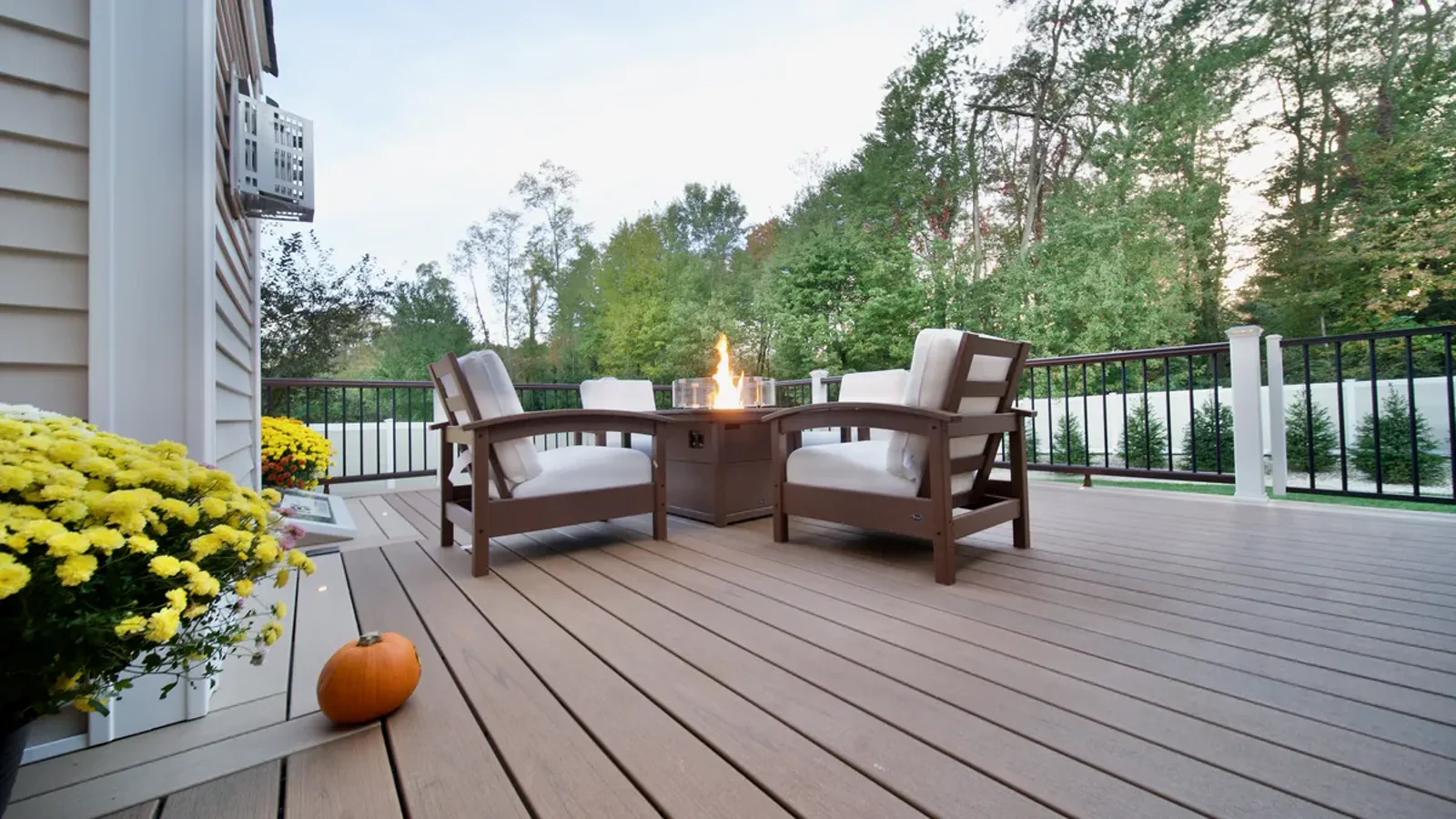
Trex vs Pressure-Treated — The Comparison Most People Get Wrong
Pressure-treated is cheaper upfront, but the math falls apart fast. A Hudson Valley builder breaks down lifespan, maintenance, and real cost per year.
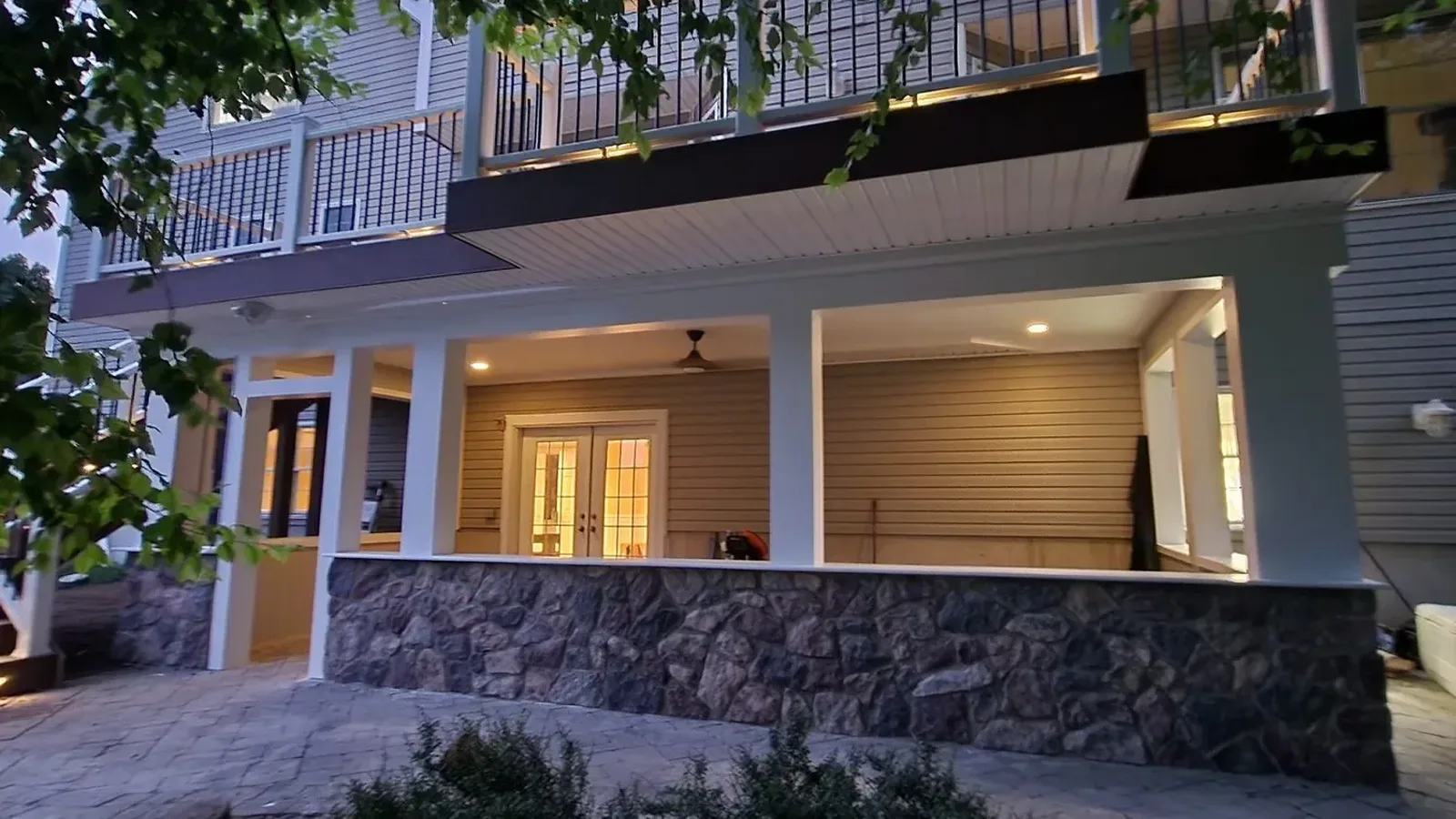
Under-Deck Covered Outdoor Retreat — What Is Possible Below Your Deck
That wet void under your elevated deck is free square footage. How to turn it into a dry outdoor room — before the boards go down.
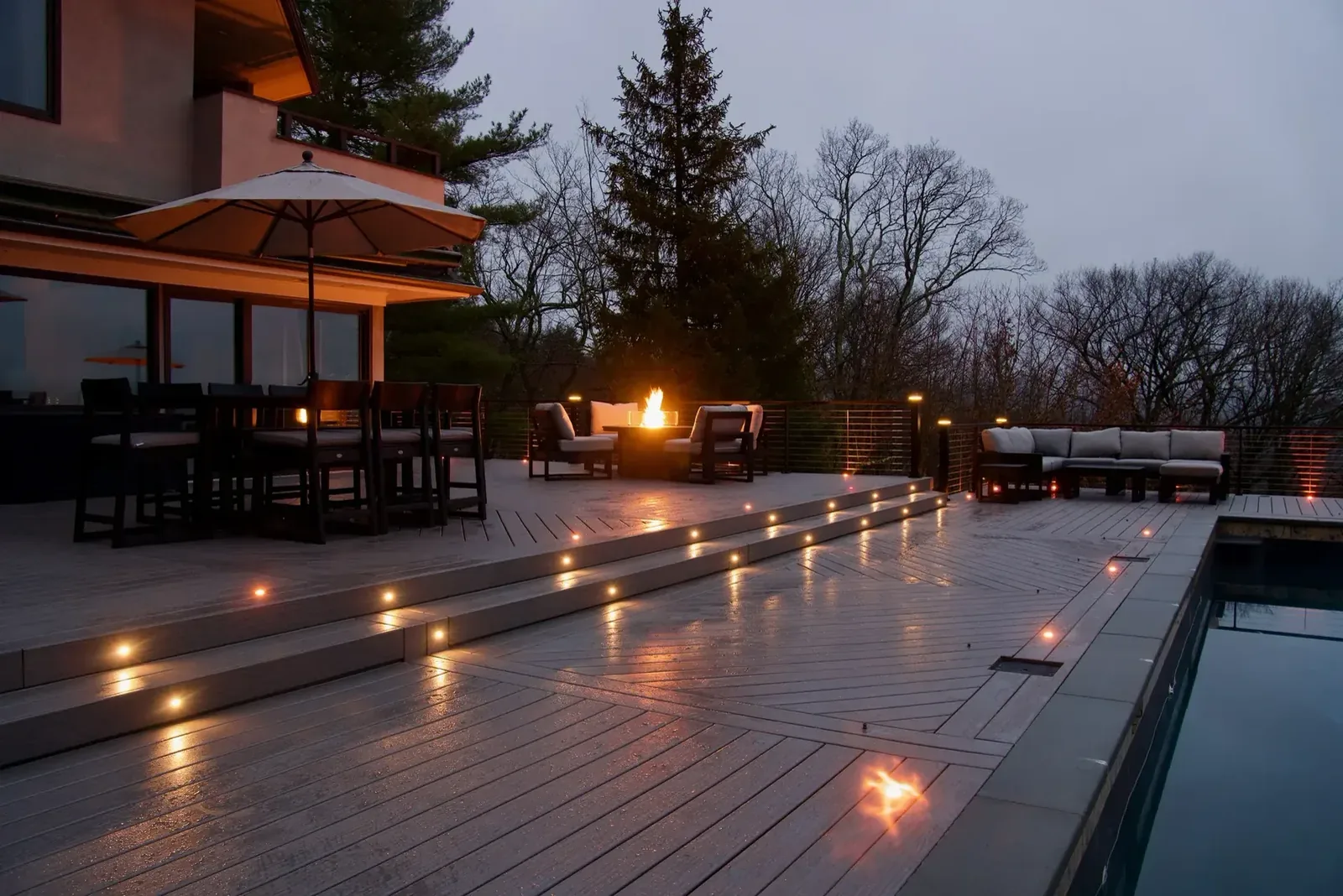
What Is a Helical Pile and Why Does It Matter for Your Deck
A plain explanation of helical piles, how they're installed, and why they beat concrete frost footings in Hudson Valley freeze-thaw soil.
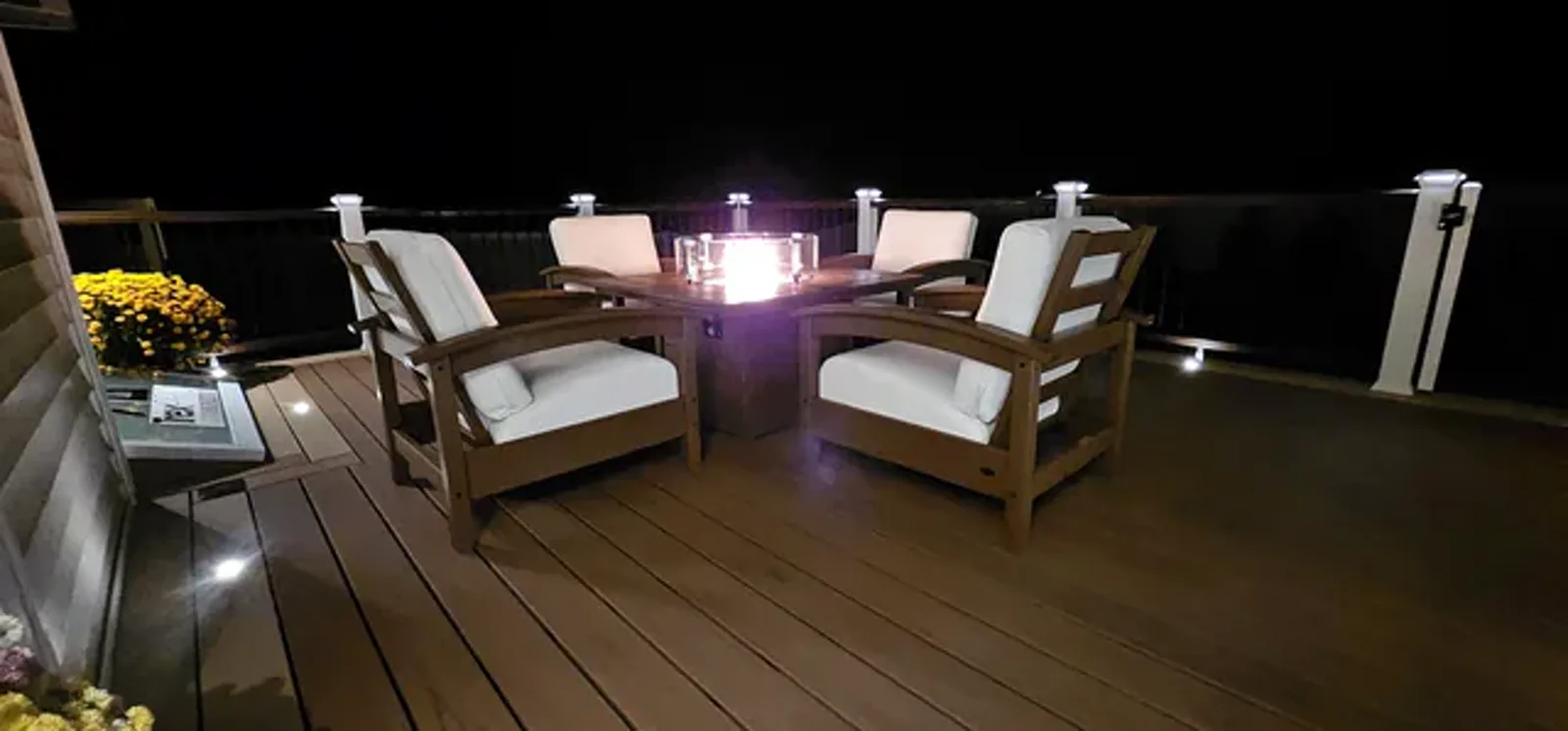
What to Look for in a Deck Builder — What Actually Matters
Skip the useless checklist. The questions that actually separate a builder worth hiring from one who costs you later.
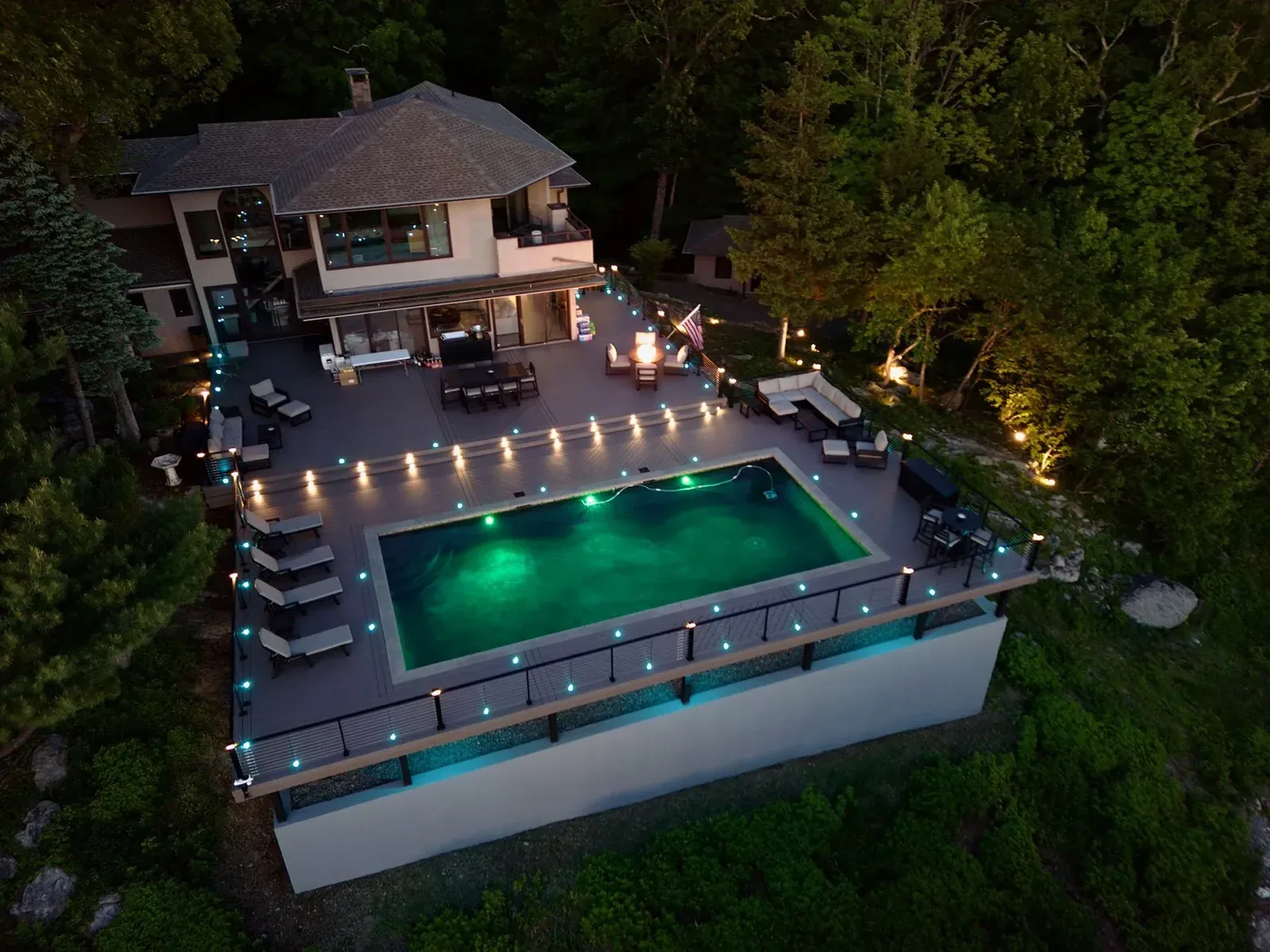
Luxury Deck Builder in Putnam County, NY
Putnam luxury is not bigger boards. It is ledge, slope, and a structure that still looks intentional at year fifteen.
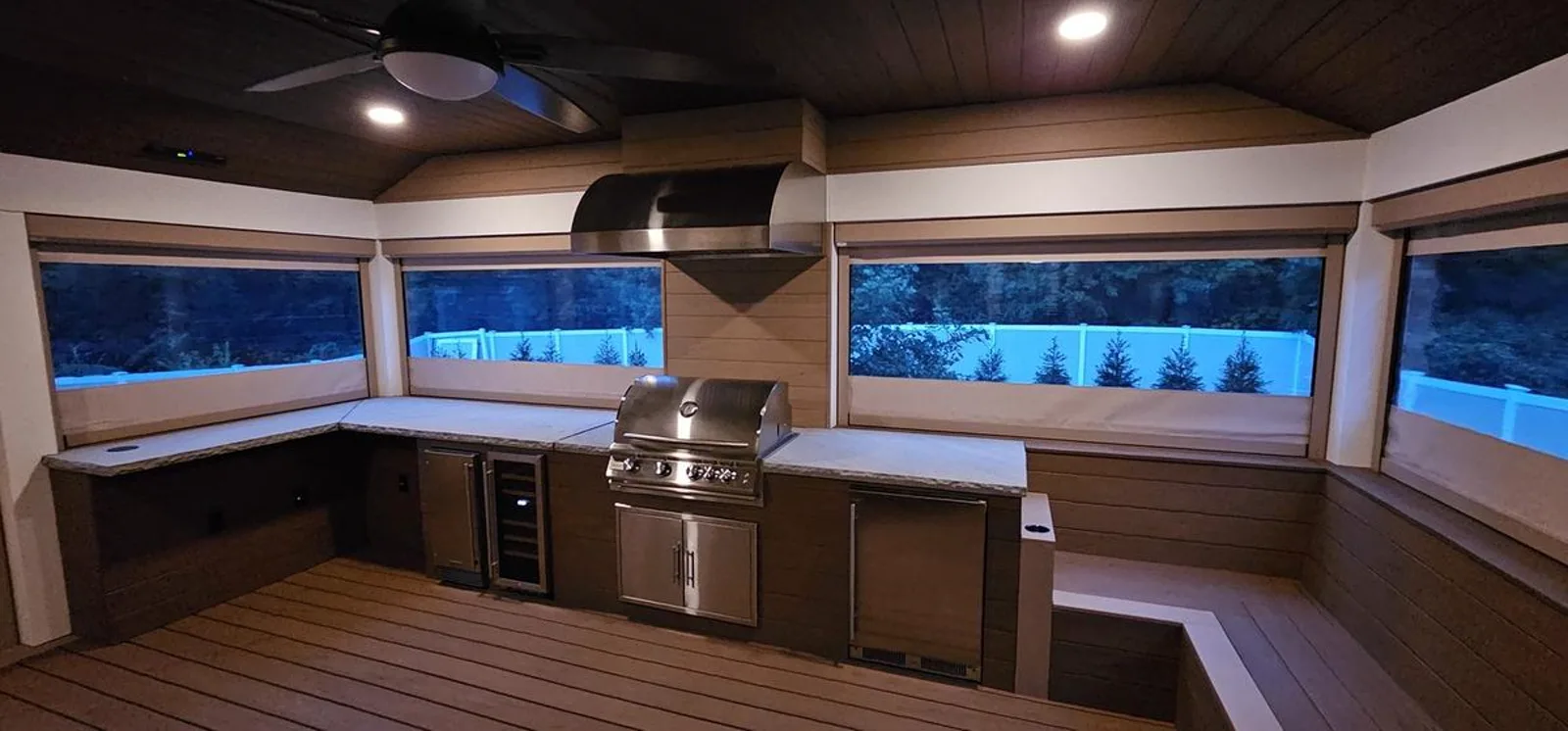
Outdoor Kitchen Builder in Dutchess County, NY
A stainless box on a patio is not an outdoor kitchen. What makes a Dutchess County kitchen worth using past year three.
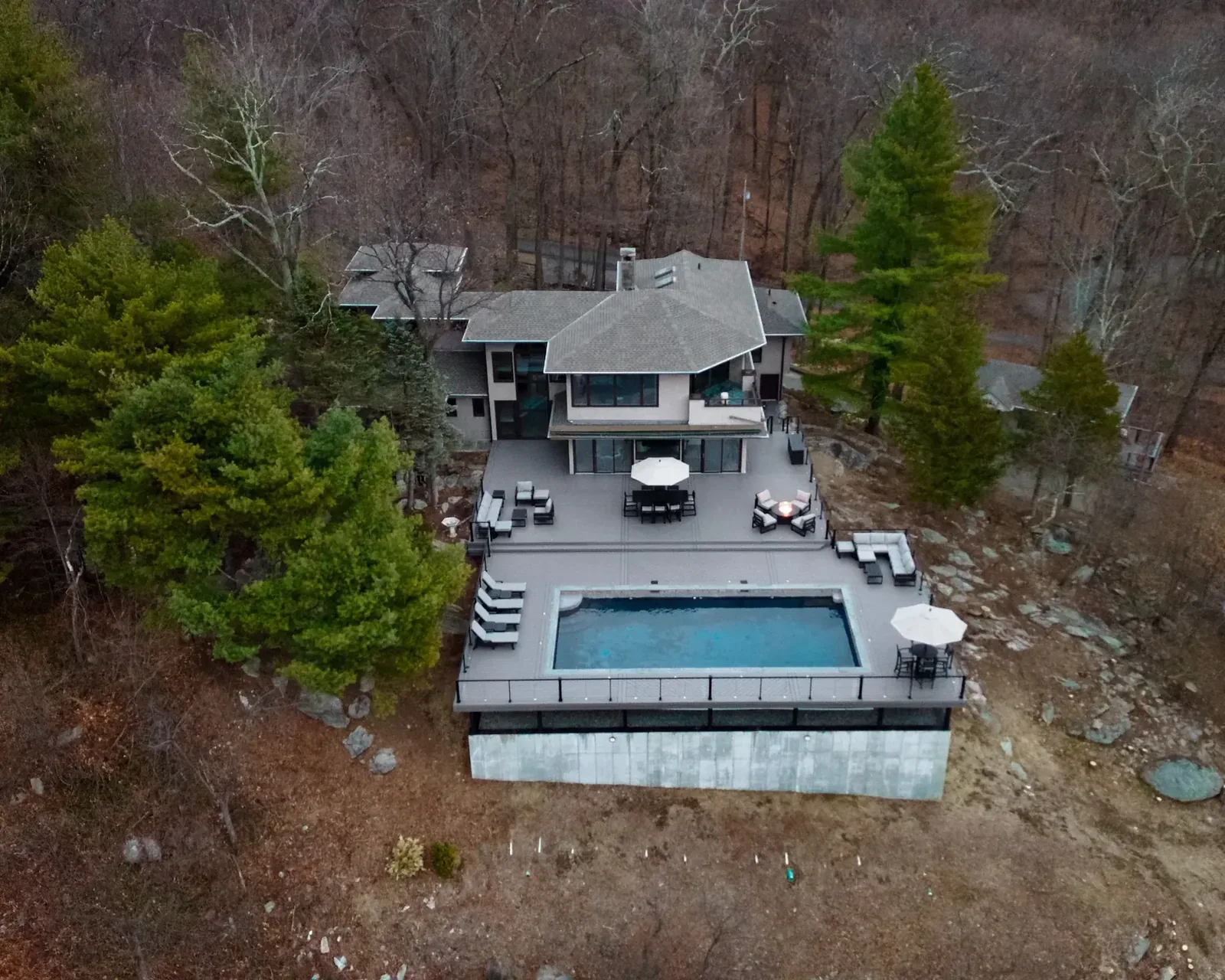
Pool Deck Builder in Westchester County, NY
Bare feet, chlorine, all-day sun, zero tolerance for standing water. Why a Westchester pool deck is the hardest surface on the property.
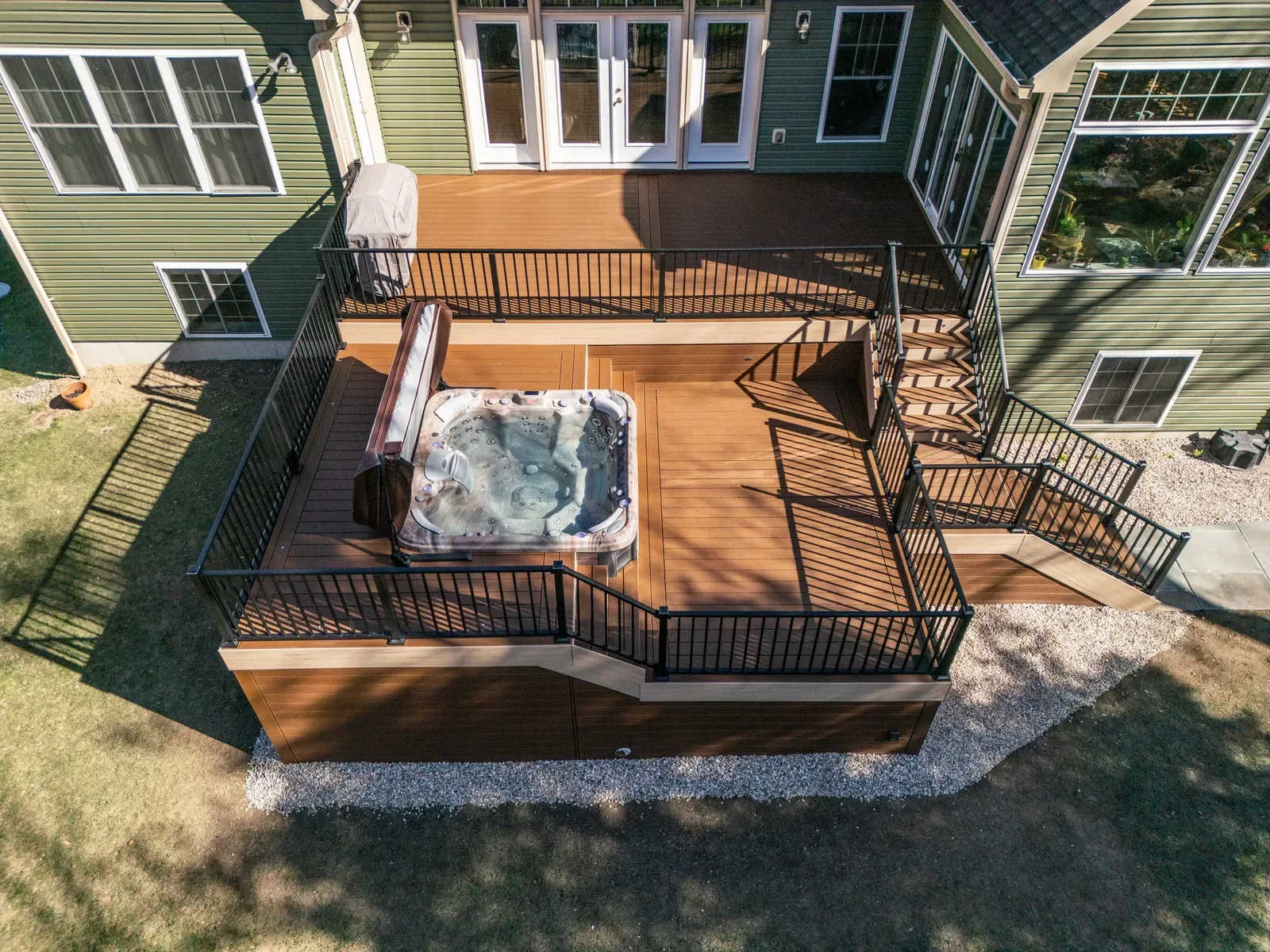
Trex Deck Builder in Bedford, NY
Bedford does not forgive a sloppy backyard. Wetlands, tree rules, and neighbors who notice — what a Trex build has to clear before the boards go down.
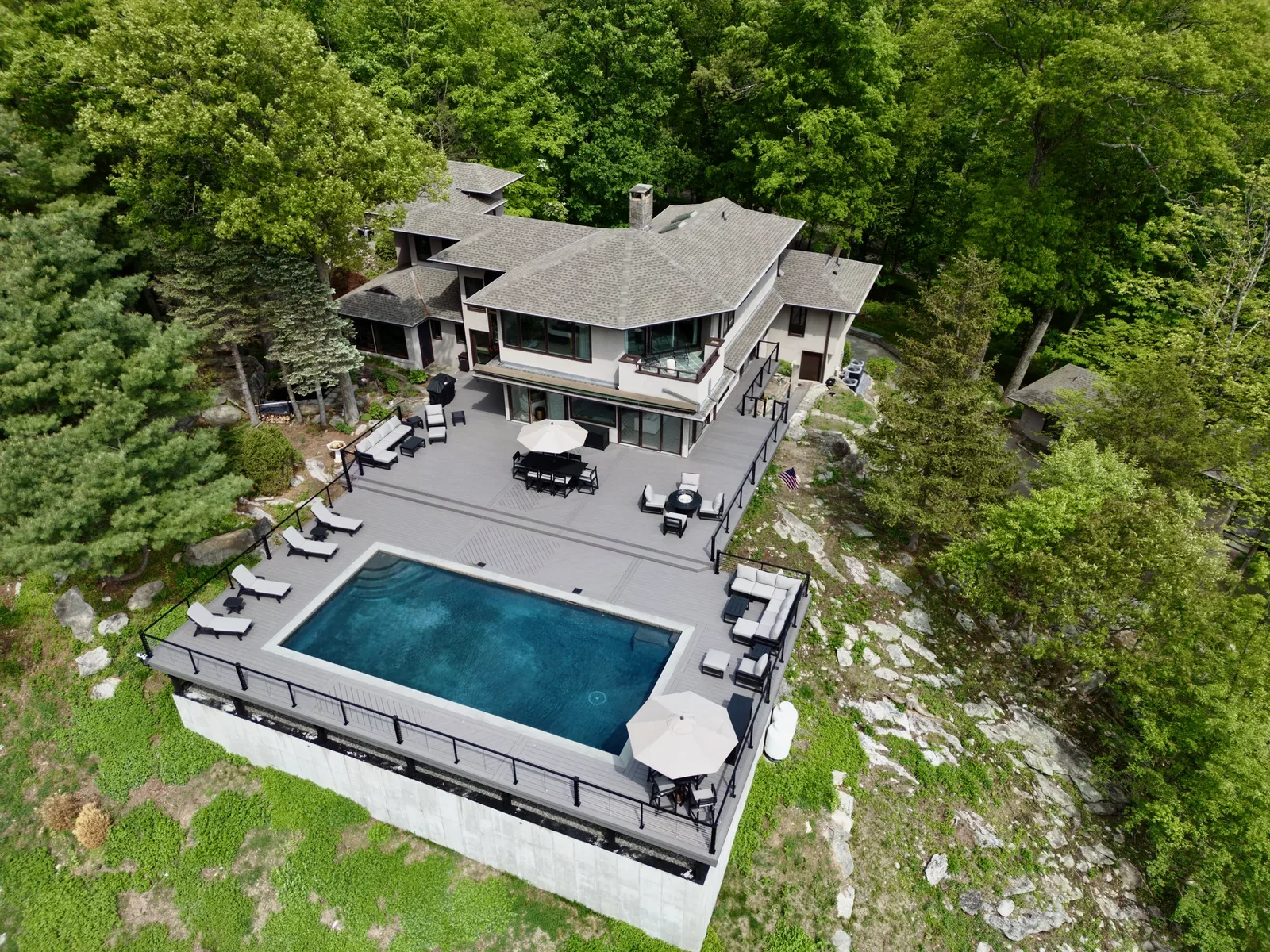
Trex Deck Builder in Garrison, NY
In Garrison the view is the whole point. How a deck holds the Highlands line without looking like it is working for it.
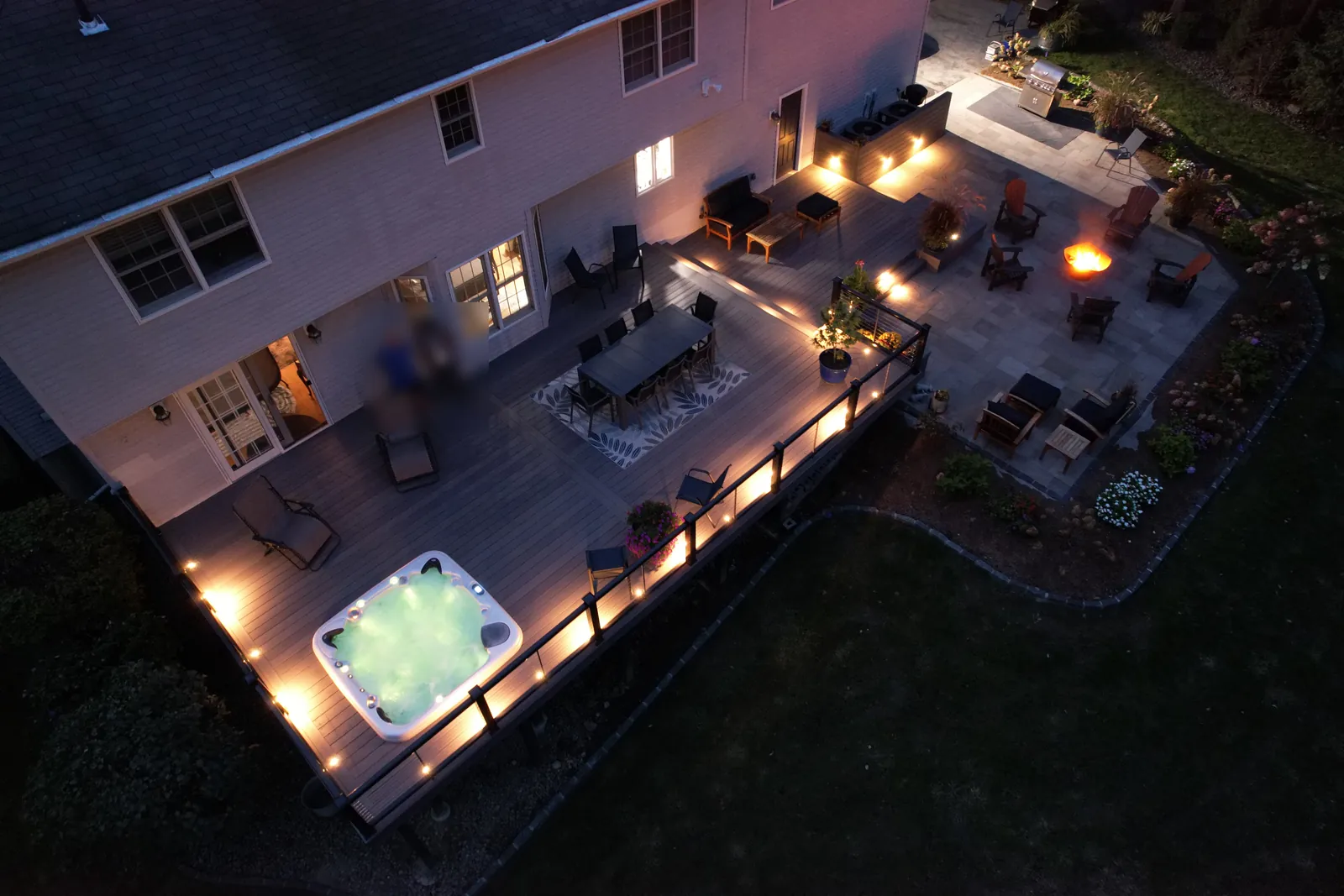
Trex Deck Builder in Millbrook, NY
Long driveways, pasture light, quiet land. Why a Millbrook deck has to feel calm and still be built for real winters.
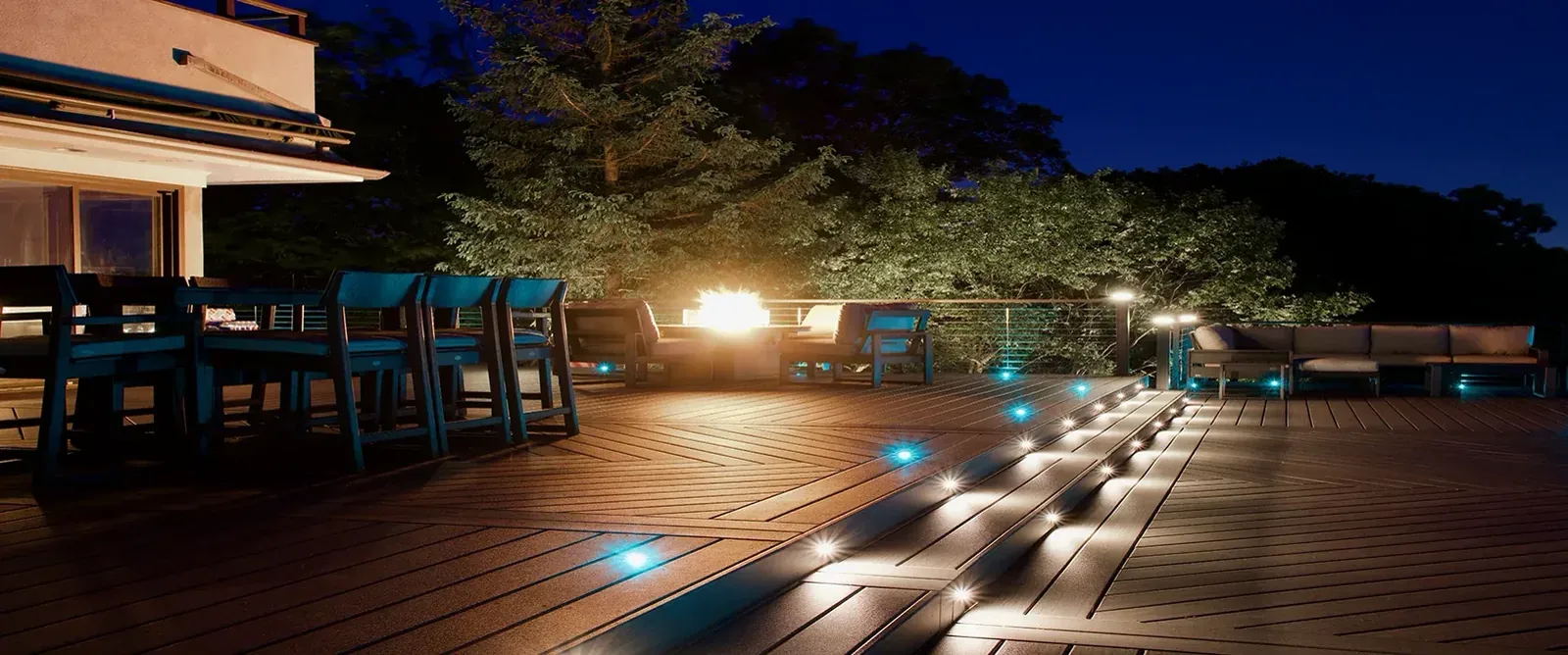
Trex Deck Builder in Pawling, NY
Harlem Valley winters are honest. What a Pawling Trex deck has to survive when the soil stays wet and the frost runs deep.
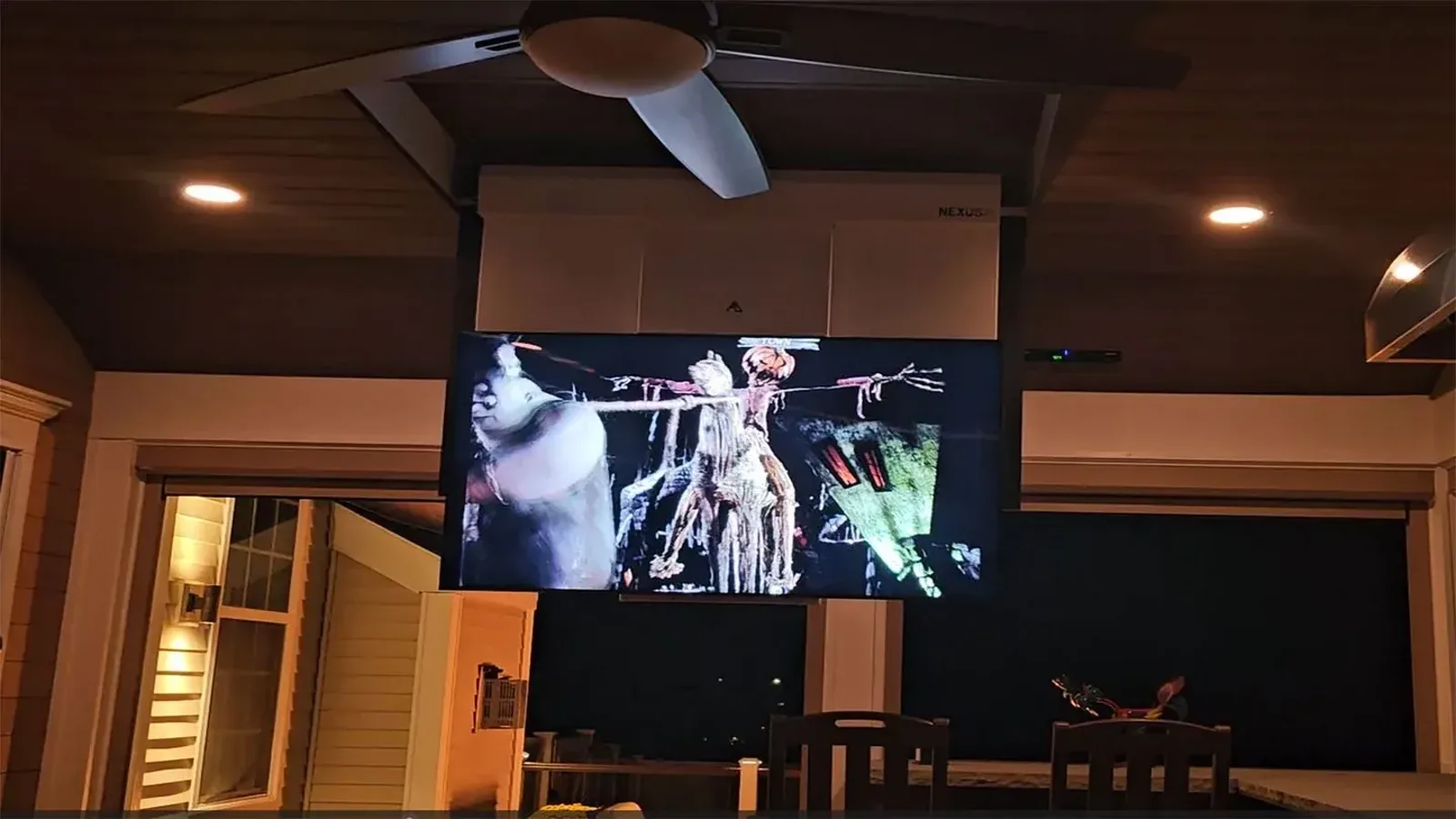
Trex Deck Builder in Poughkeepsie, NY
River bluffs, tight mid-town lots, wooded east side — one town, three different builds. How Poughkeepsie decks get designed to the site.
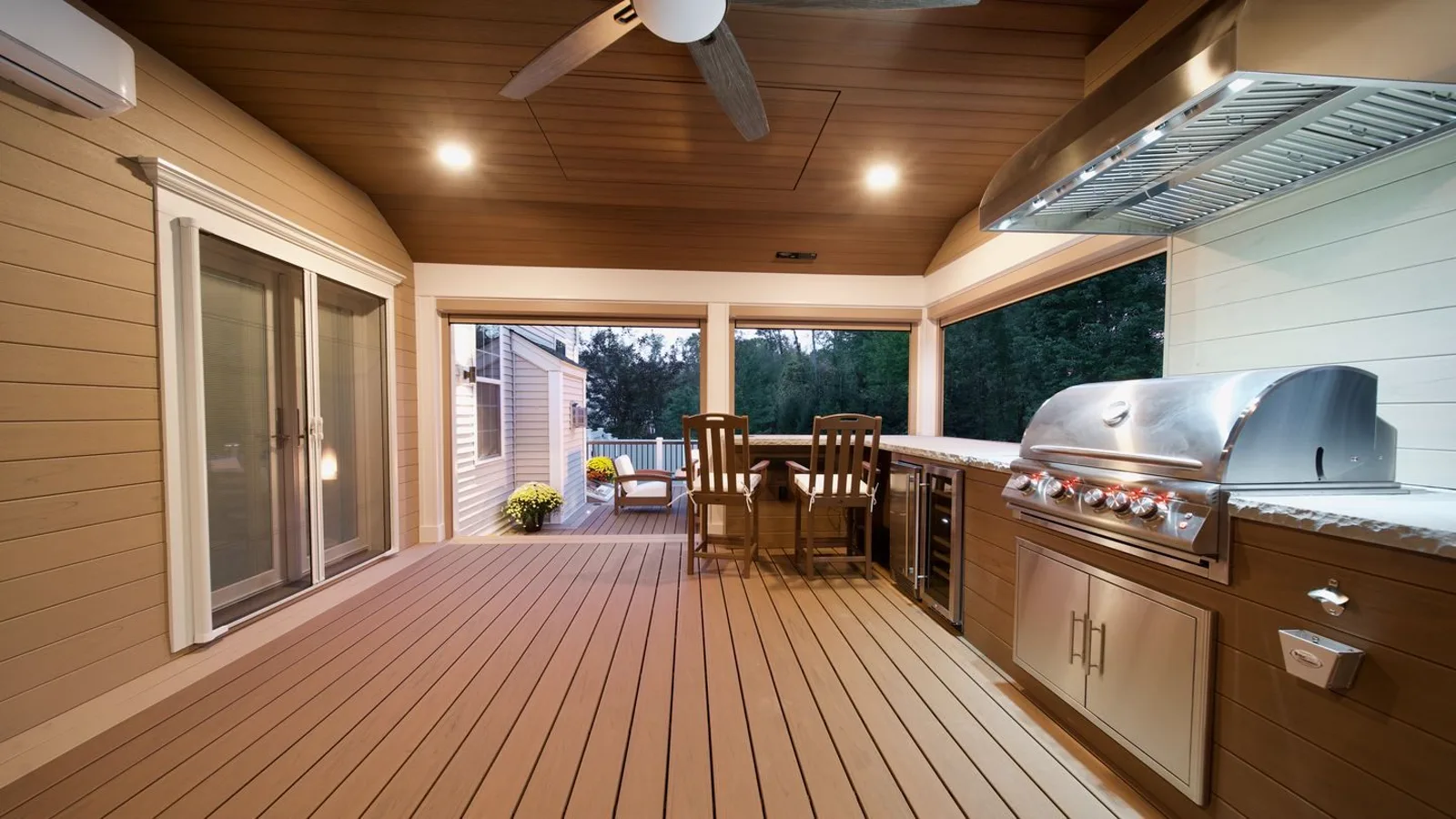
Trex Deck Builder in Rhinebeck, NY
Rhinebeck buyers notice architecture. Why the deck on the back of the house has to match the standard of the front.
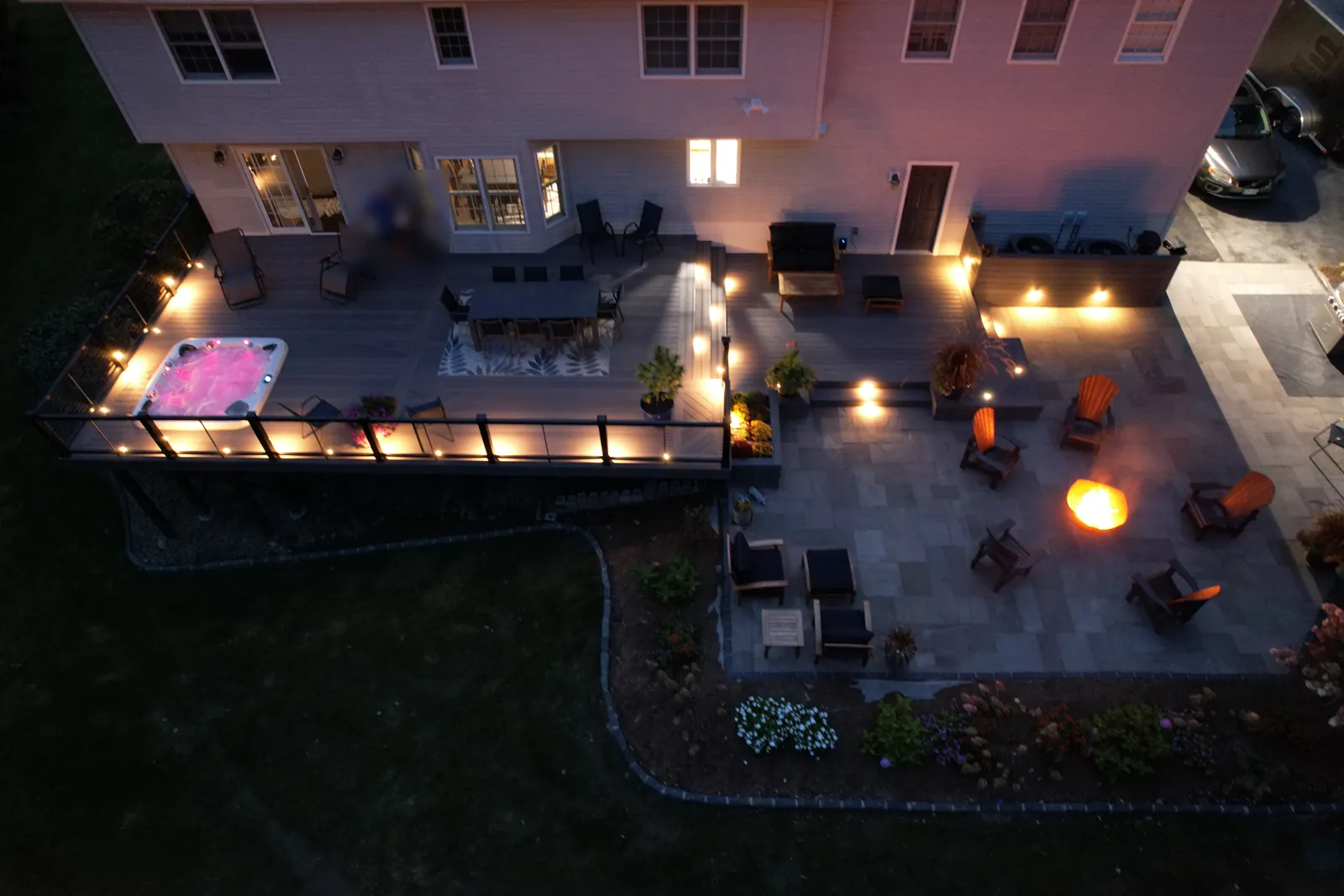
Trex Deck Builder in Tarrytown, NY
Tight lots, historic review, river light. What Tarrytown demands of a Trex deck before anyone cares about board color.
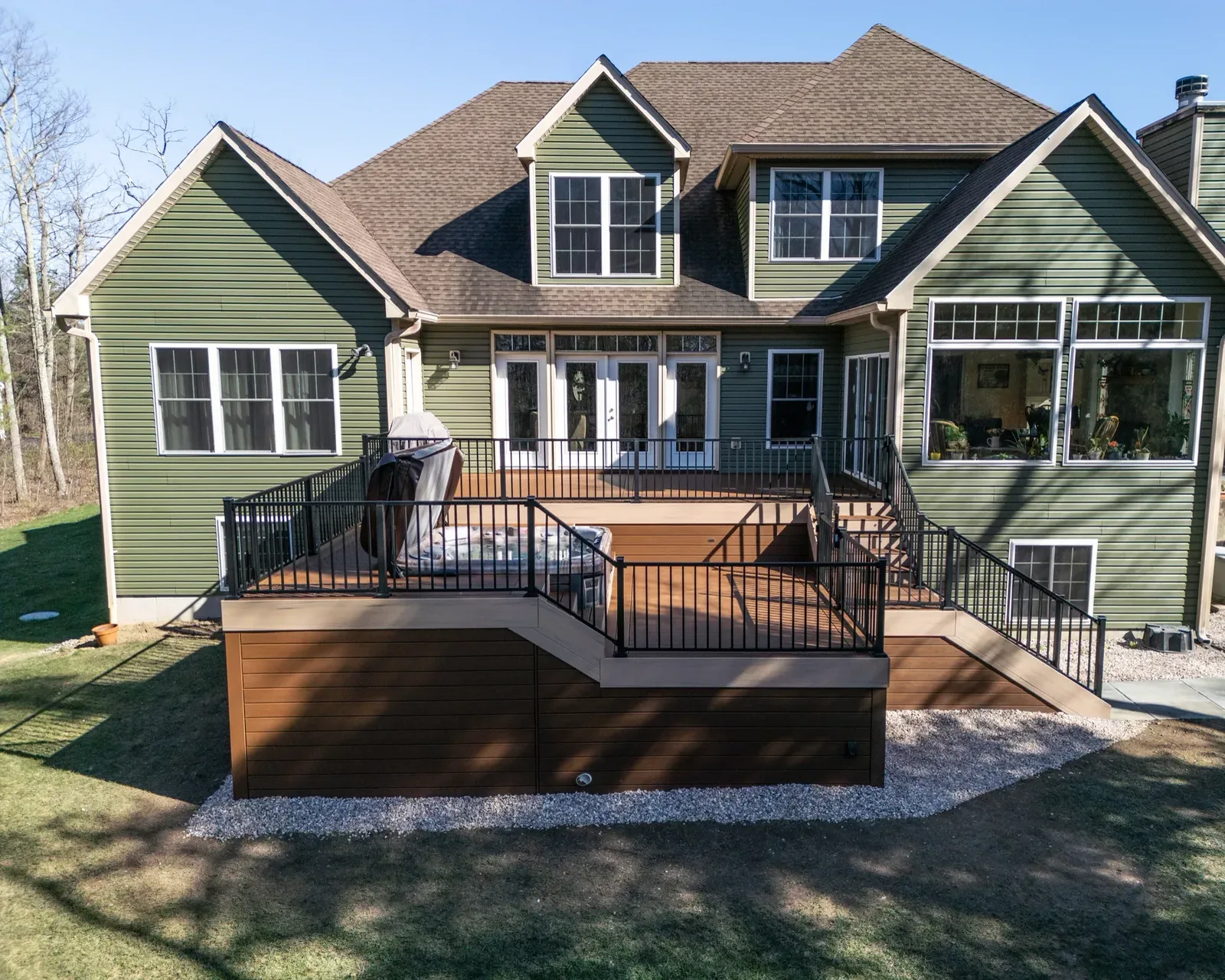
Why We Build on Helical Piles in the Hudson Valley
Concrete footings shift and heave in Hudson Valley freeze-thaw soil. Here's why Pinnacle builds elevated decks on engineered helical pile foundations instead.
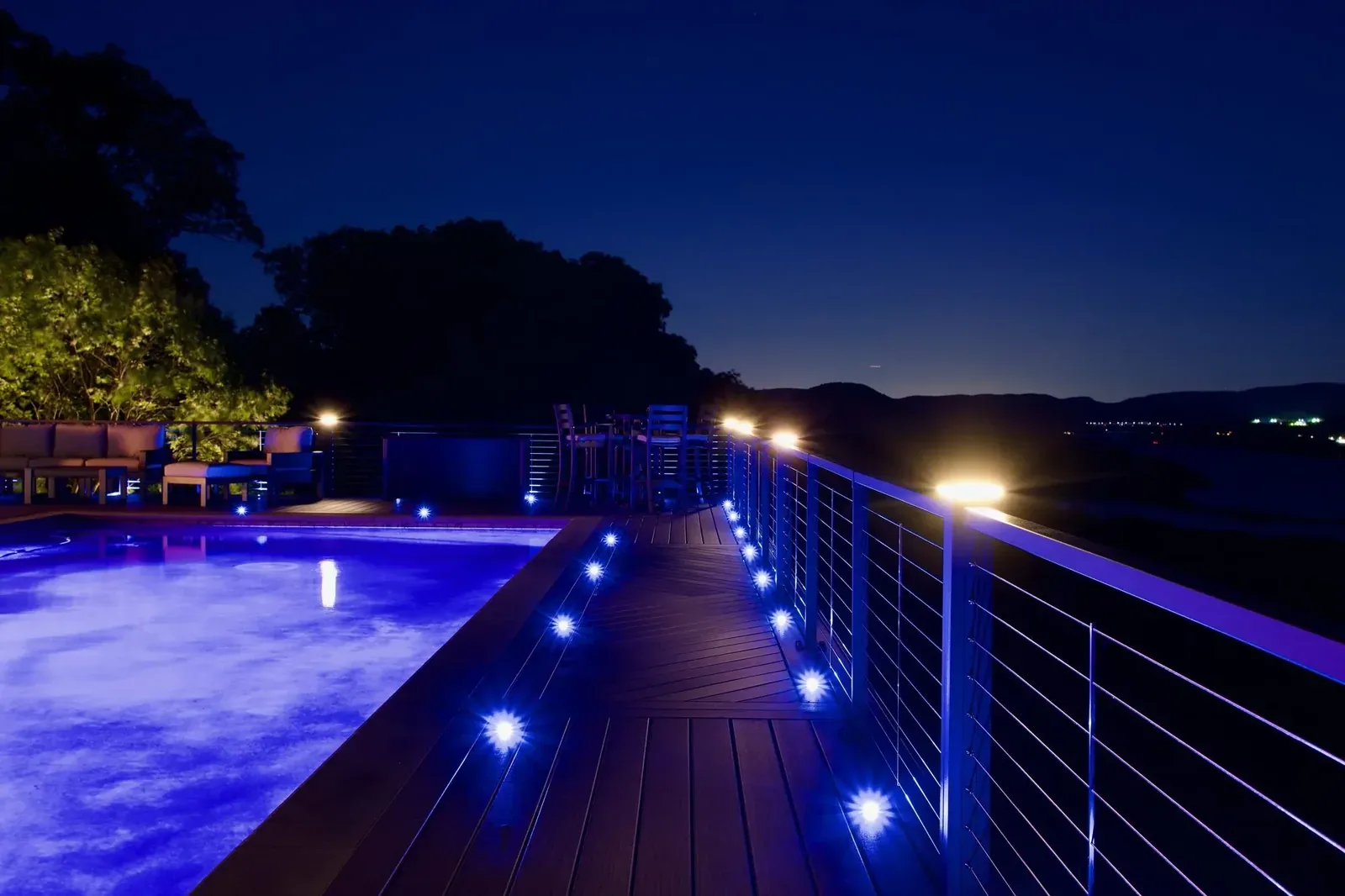
Trex Deck Builder in Cold Spring, NY
Steep rock, river views, no room for a dumb foundation. What building a Trex deck in Cold Spring actually demands.
The Honest Trex vs. TimberTech / AZEK Position
Not the fake comparison where our brand wins every category. We installed the others for years. Here's the honest reason Trex is the system Pinnacle builds on in New York.